
historical deep dive
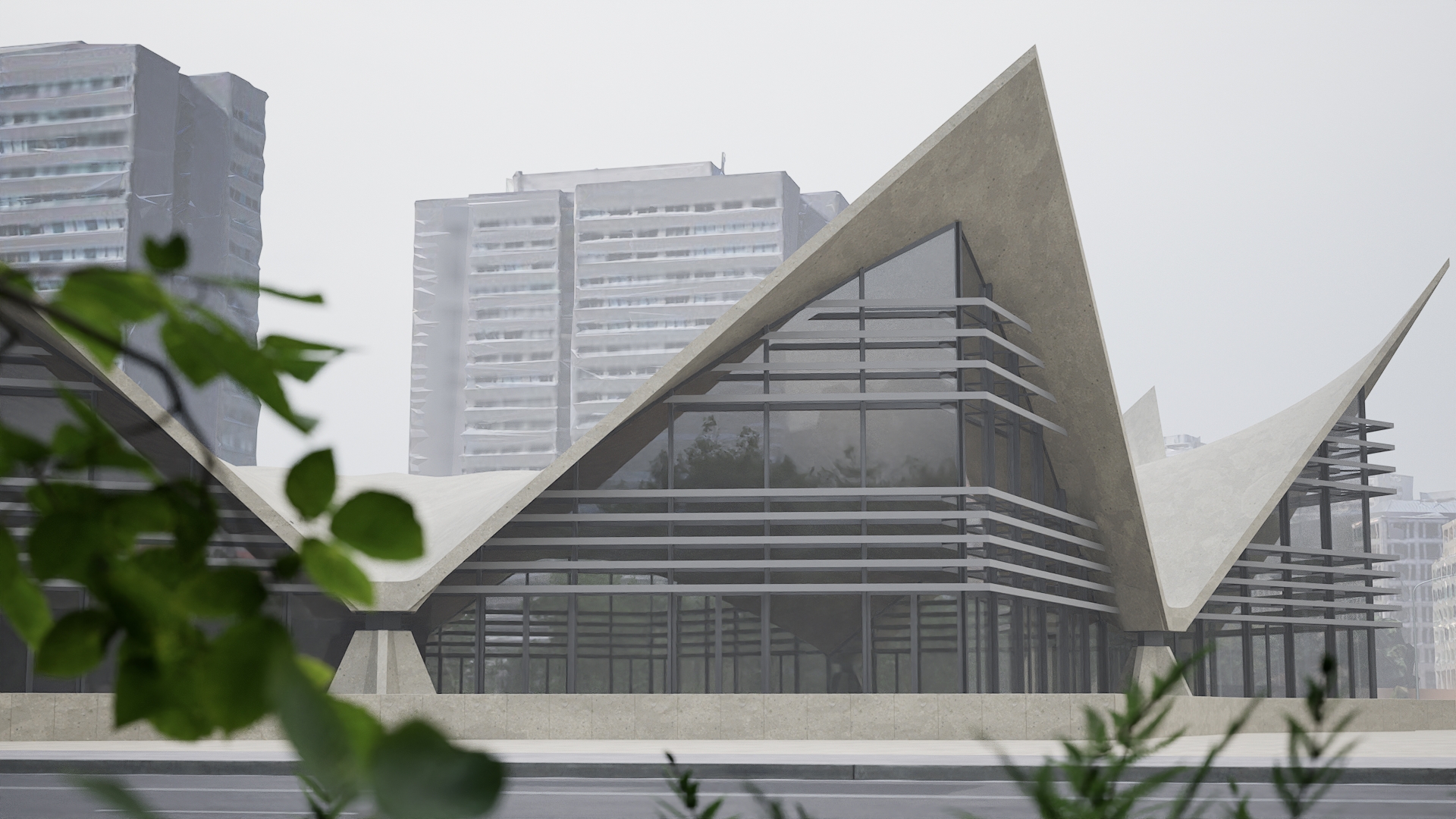
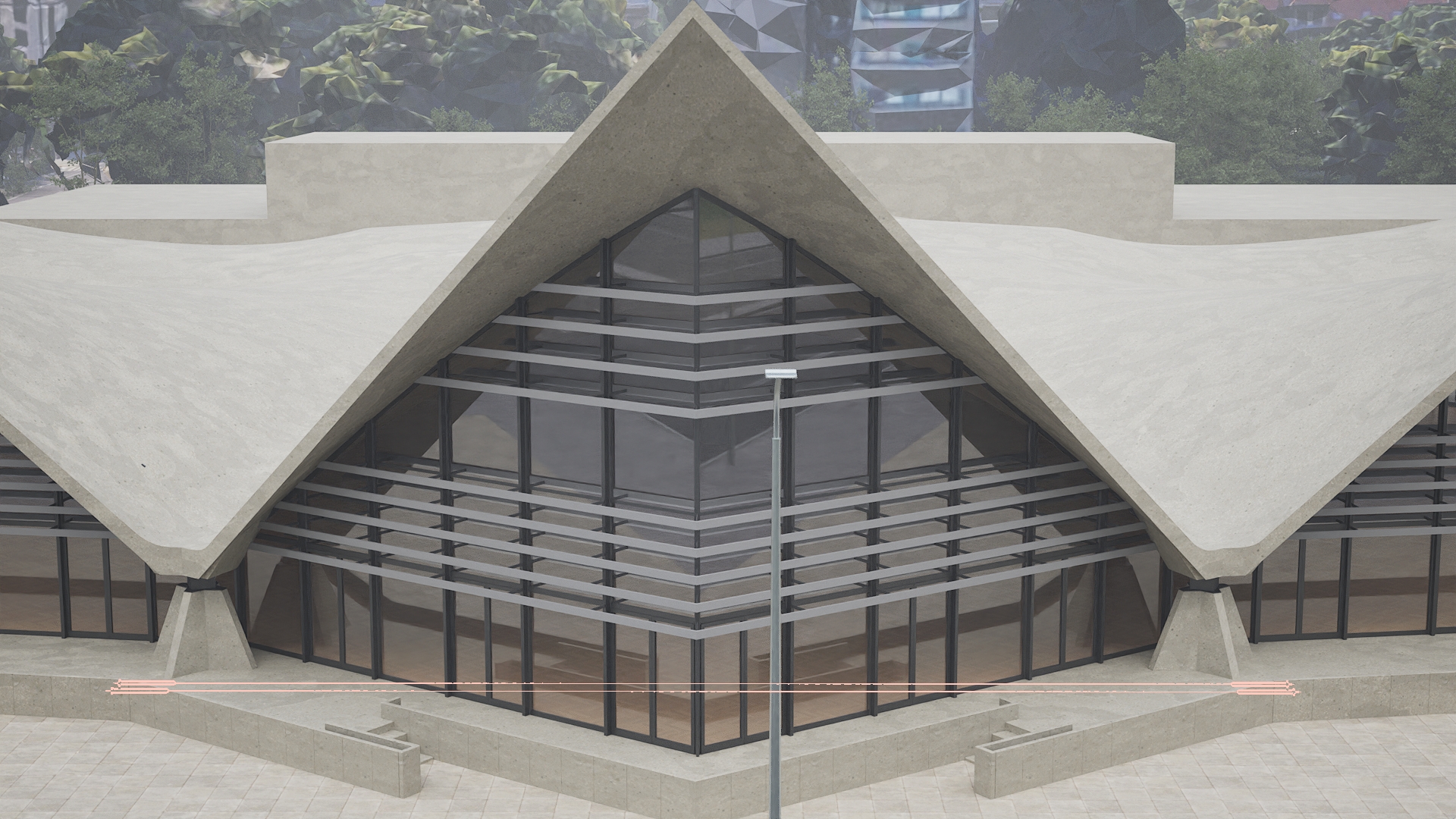
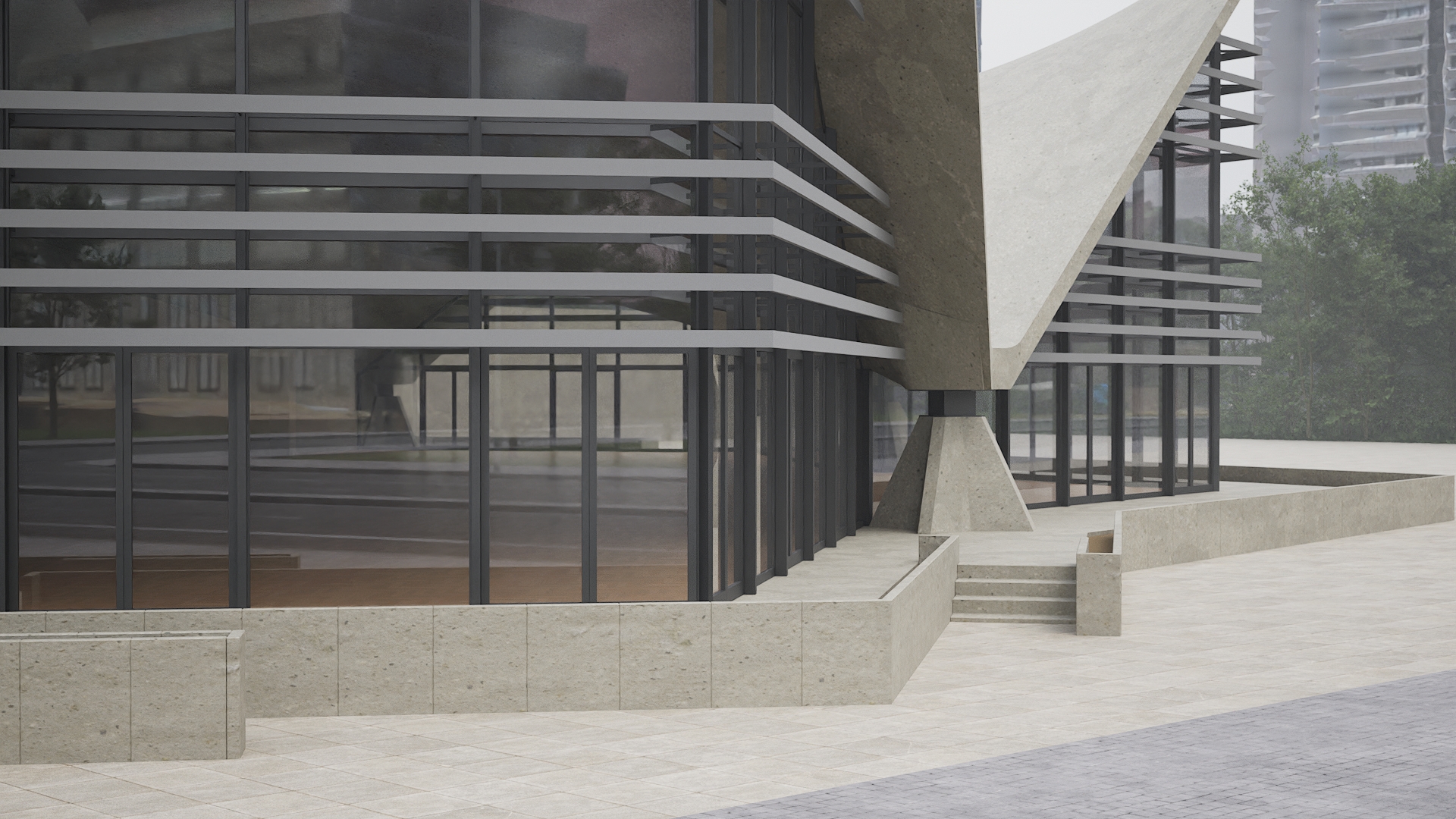
The Ahornblatt restaurant was one of the most distinctive architectural works of East German modernism. Designed by architects Gerhard Lehmann and Rüdiger Pläthe, with structural engineering by Ulrich Müther, the building opened in 1973 near Berlin’s Alexanderplatz.
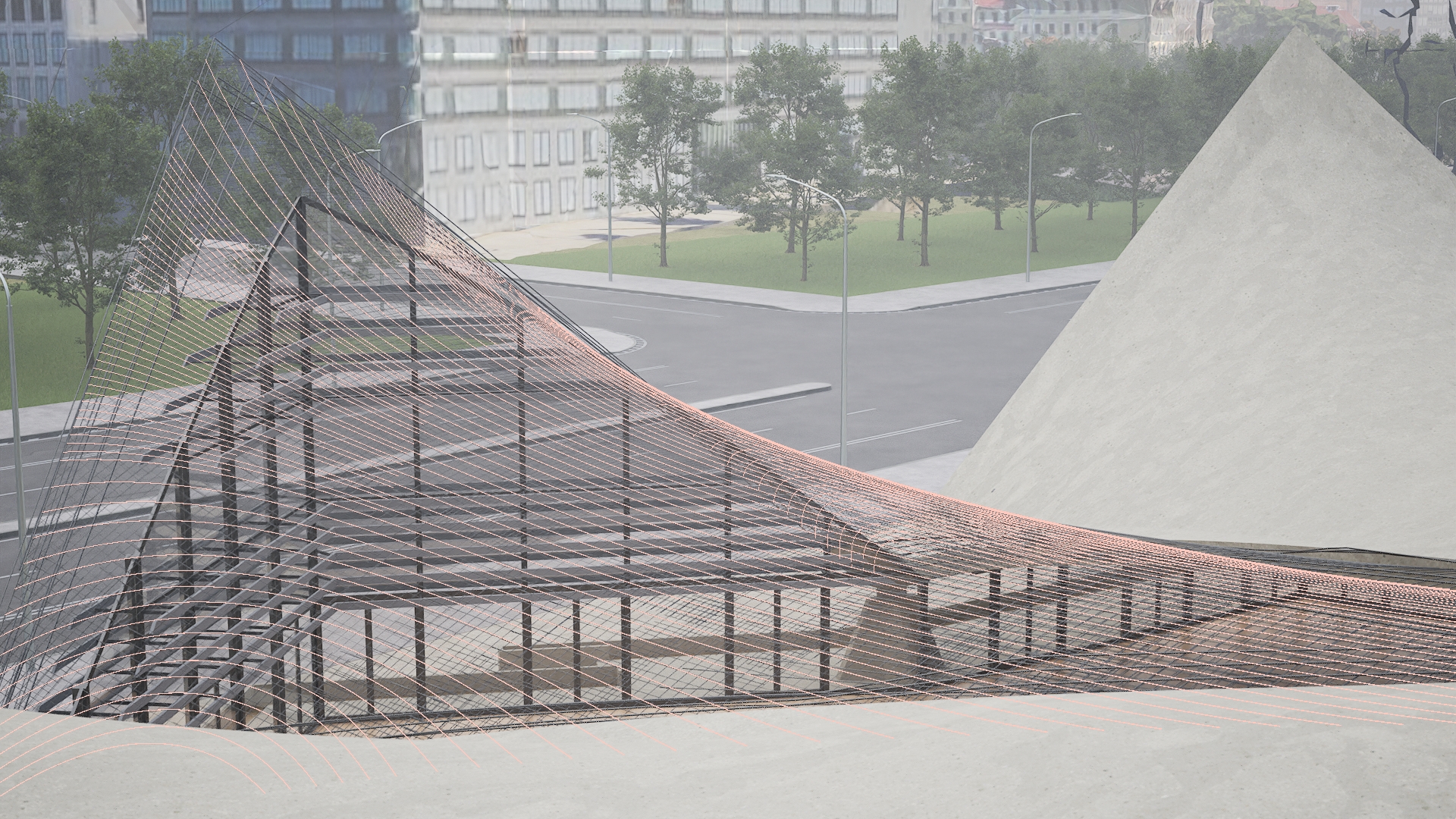
Its name derived from the striking folded roof structure, whose silhouette resembled the shape of a maple leaf. Combining expressive engineering with a public function, the restaurant became a prominent landmark and an emblem of the architectural ambitions of the German Democratic Republic.Beyond its visual identity, the building reflected a broader period of experimentation within post-war architecture, where advanced structural design was used to create open, flexible public spaces.
Despite its architectural significance and growing recognition after German reunification, the Ahornblatt was demolished in 2000. Its loss sparked extensive public debate and remains one of Berlin’s most notable examples of contested architectural heritage.