Date
02 / 2023 - ongoing
Client
Project
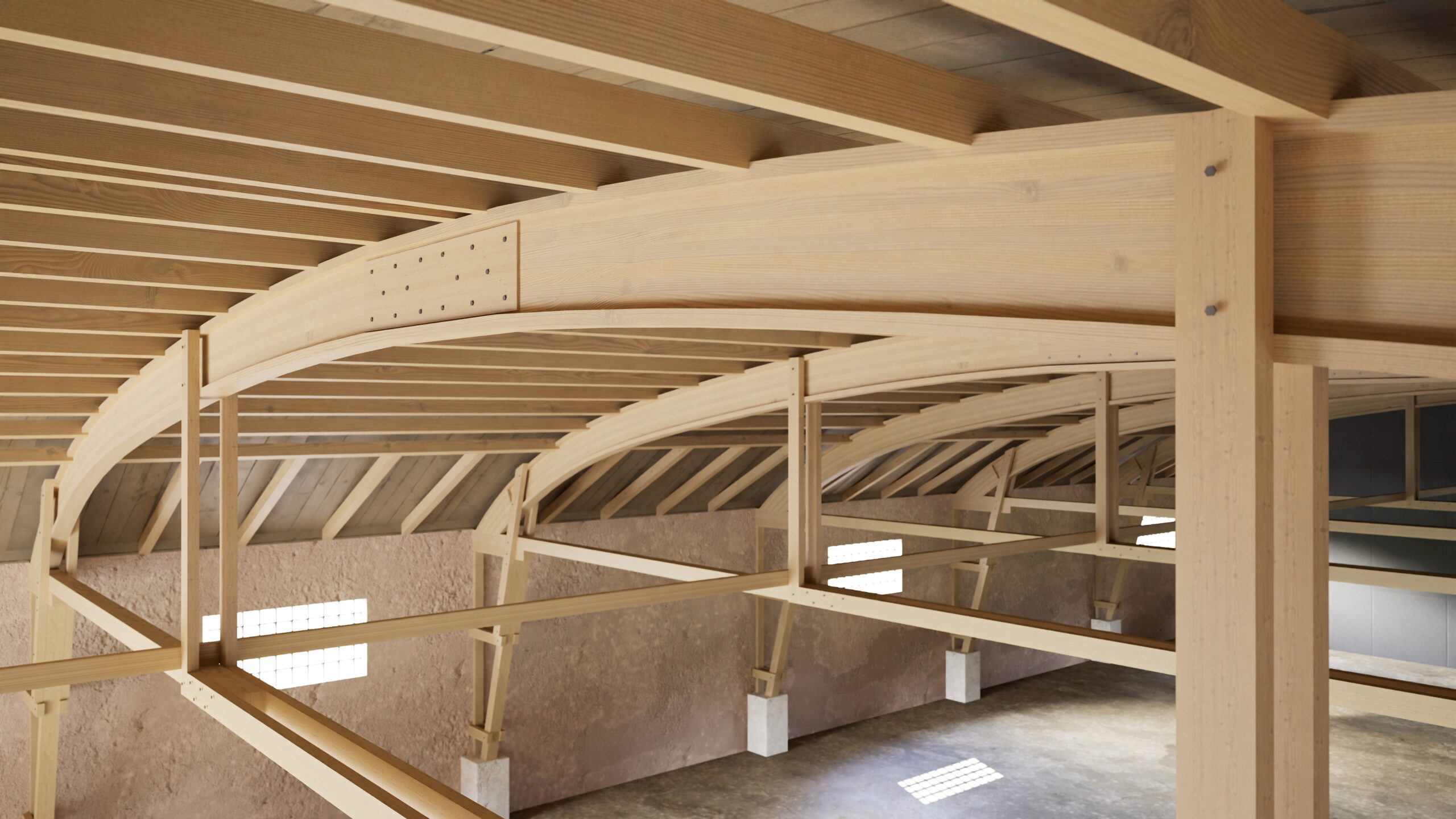
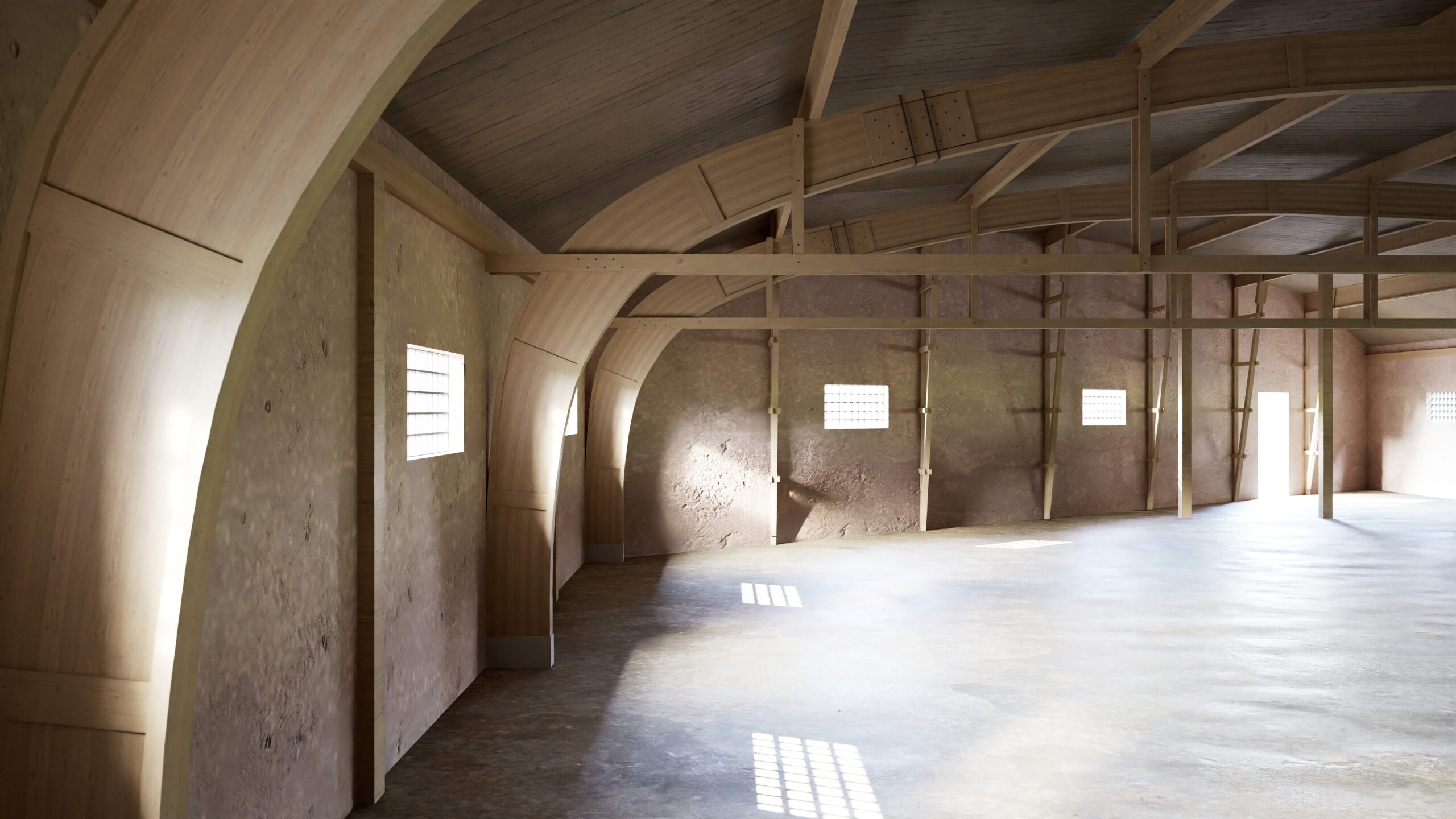
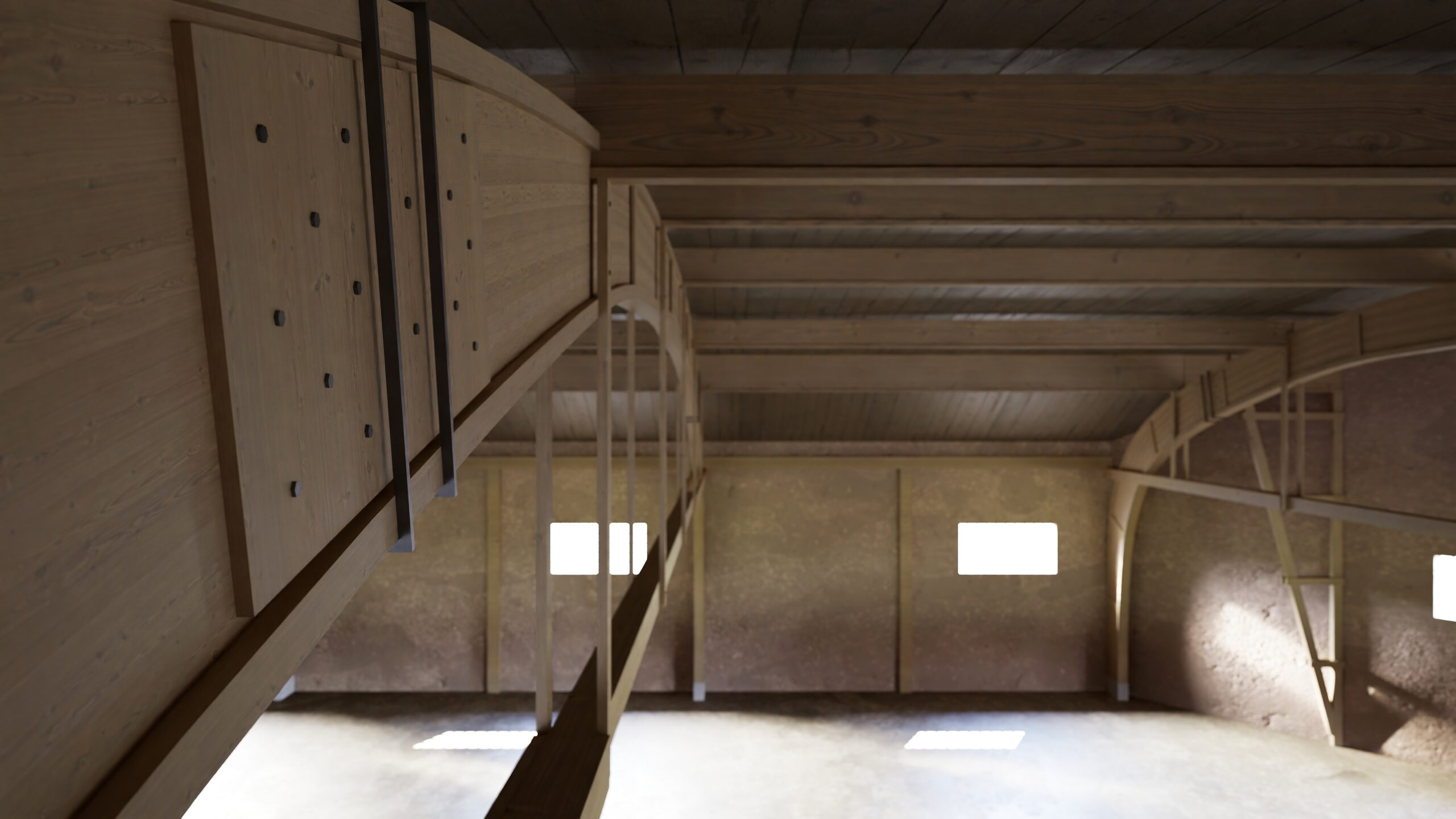
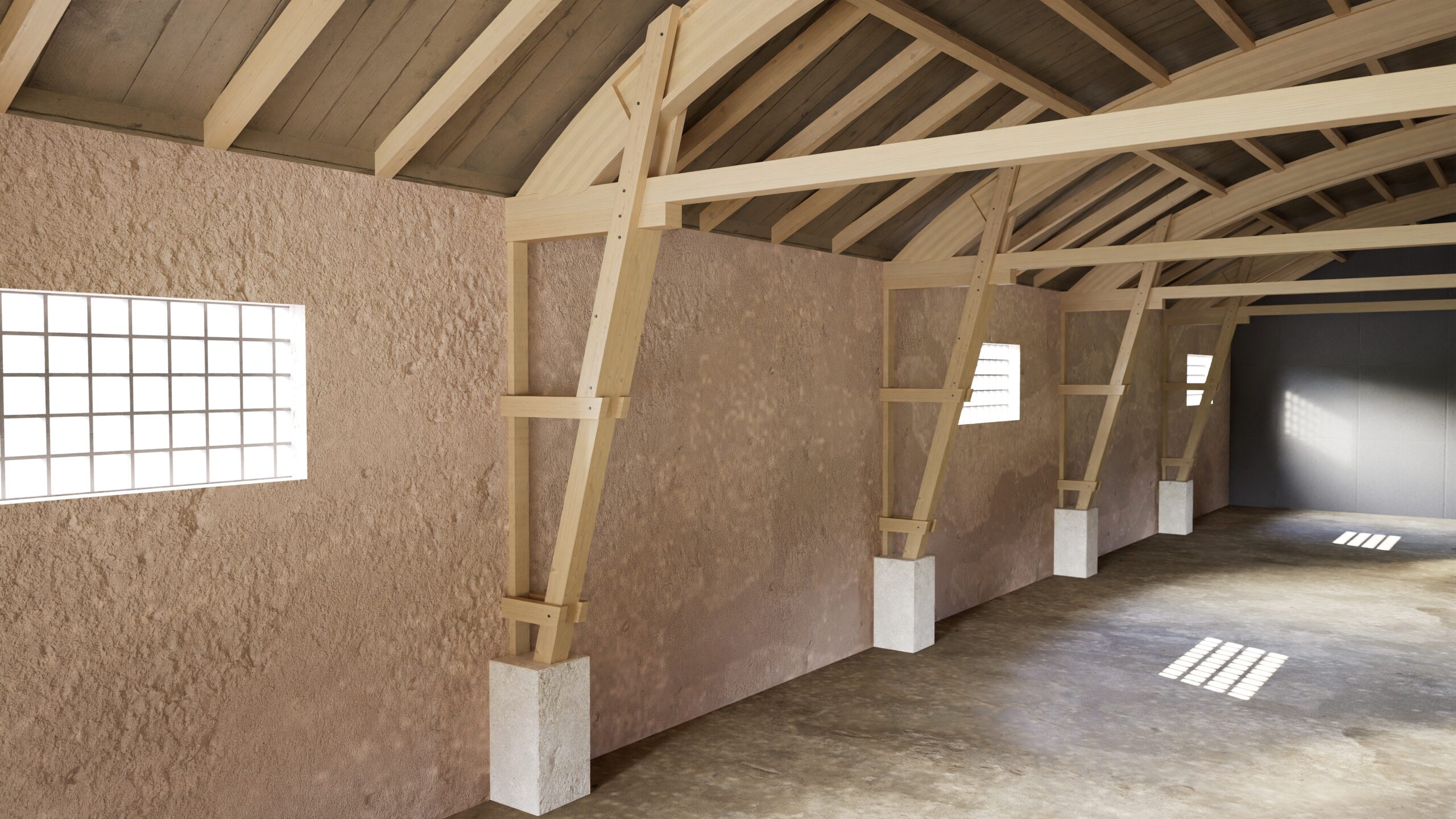
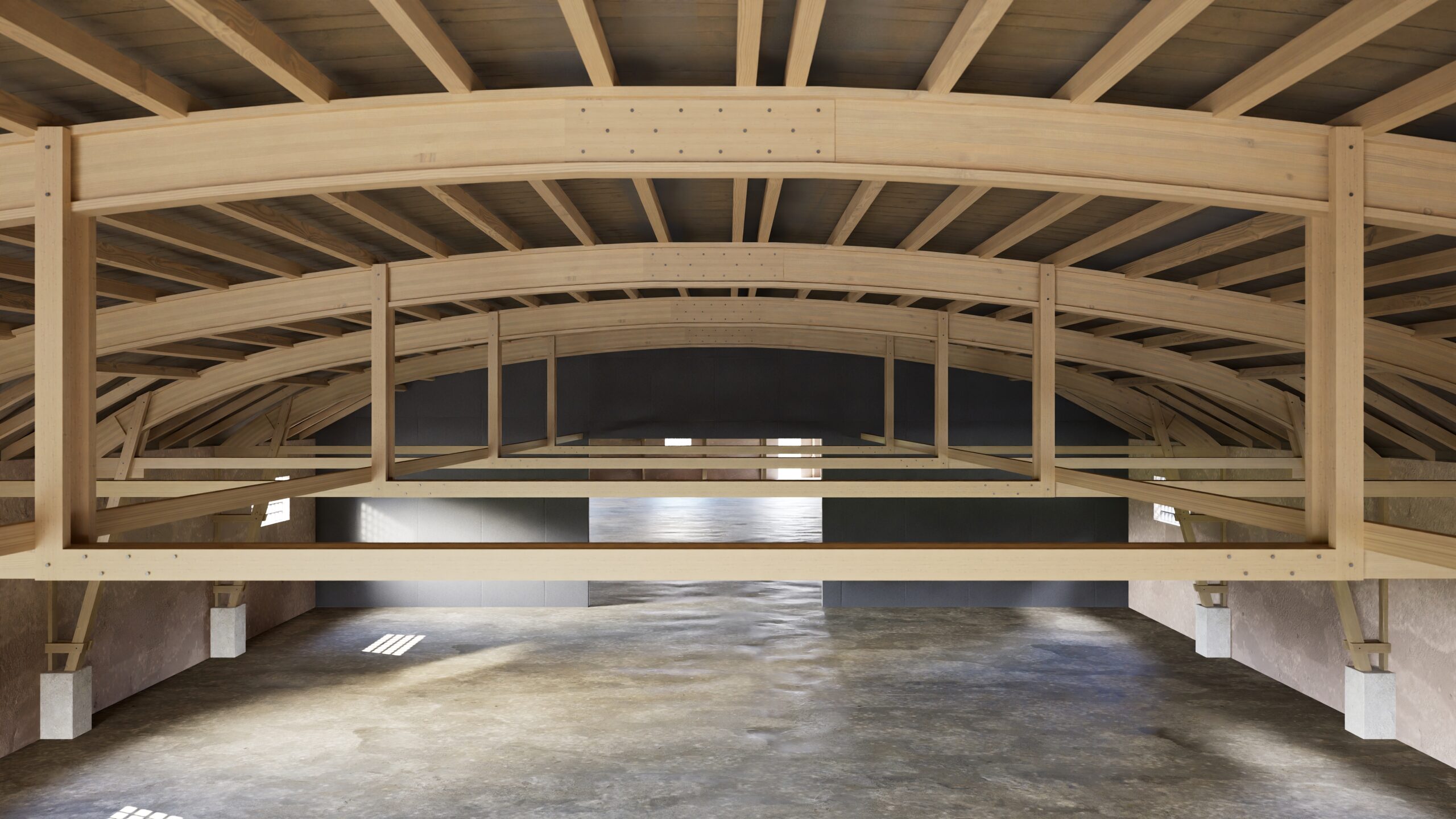
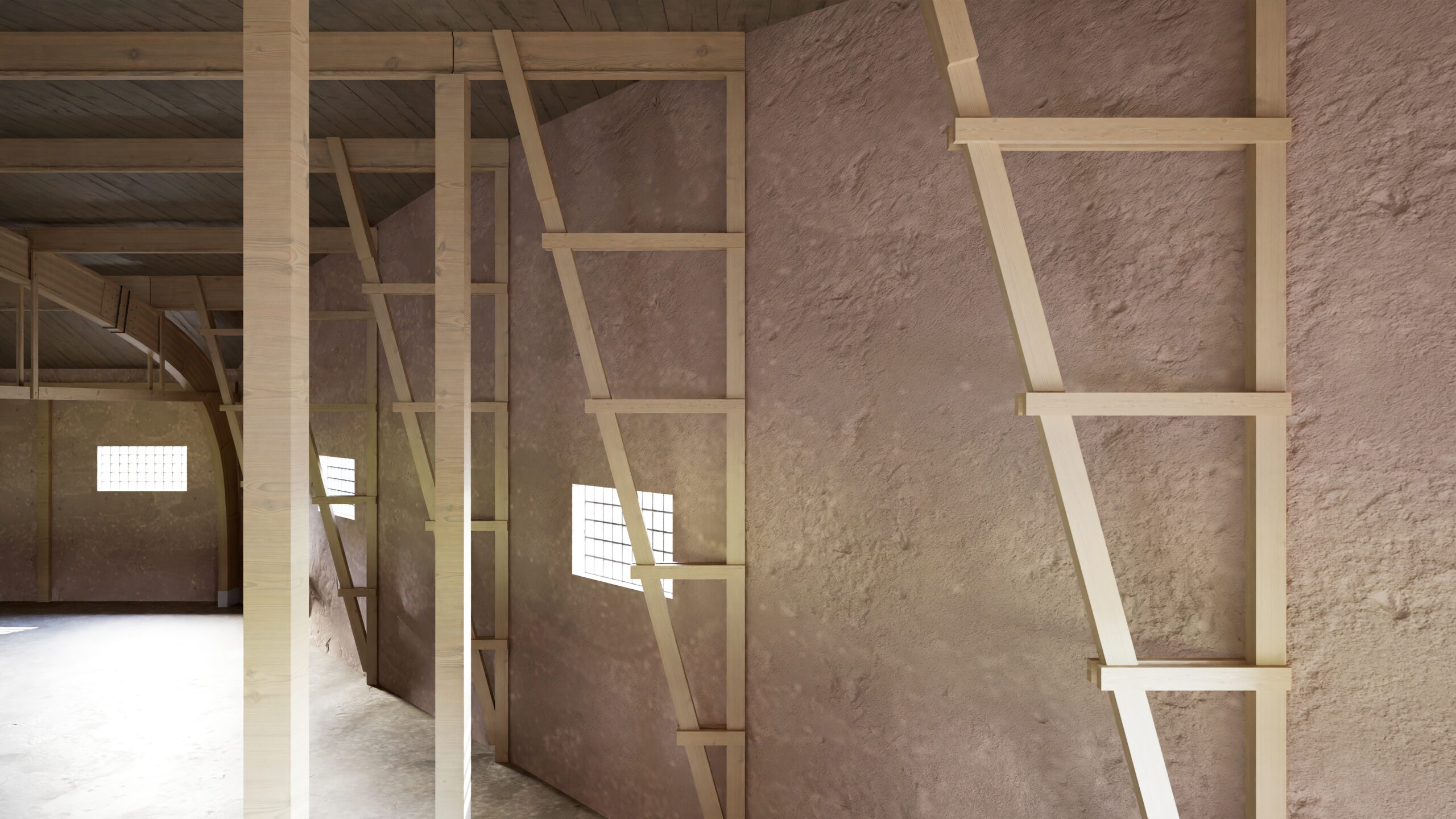
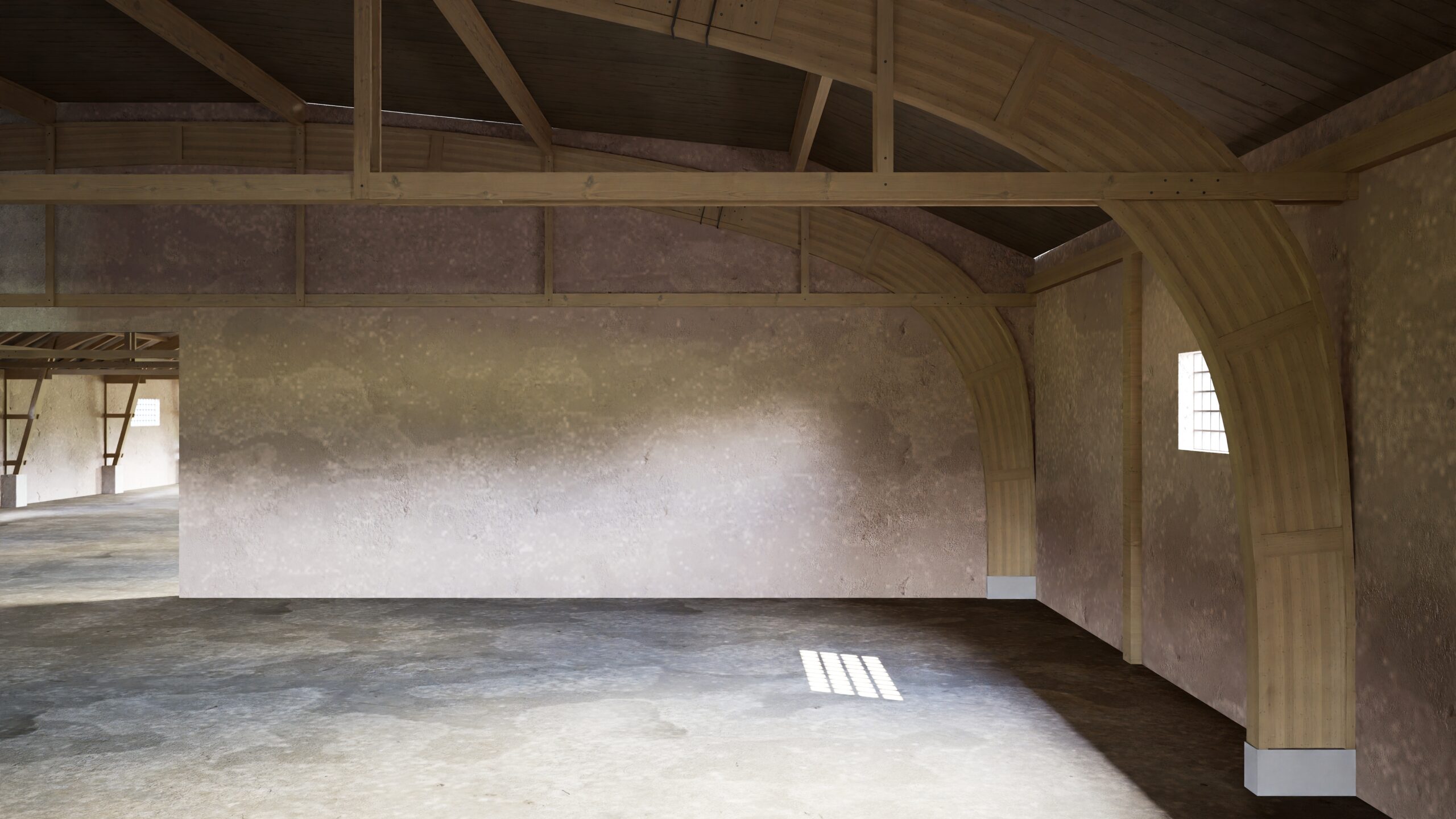
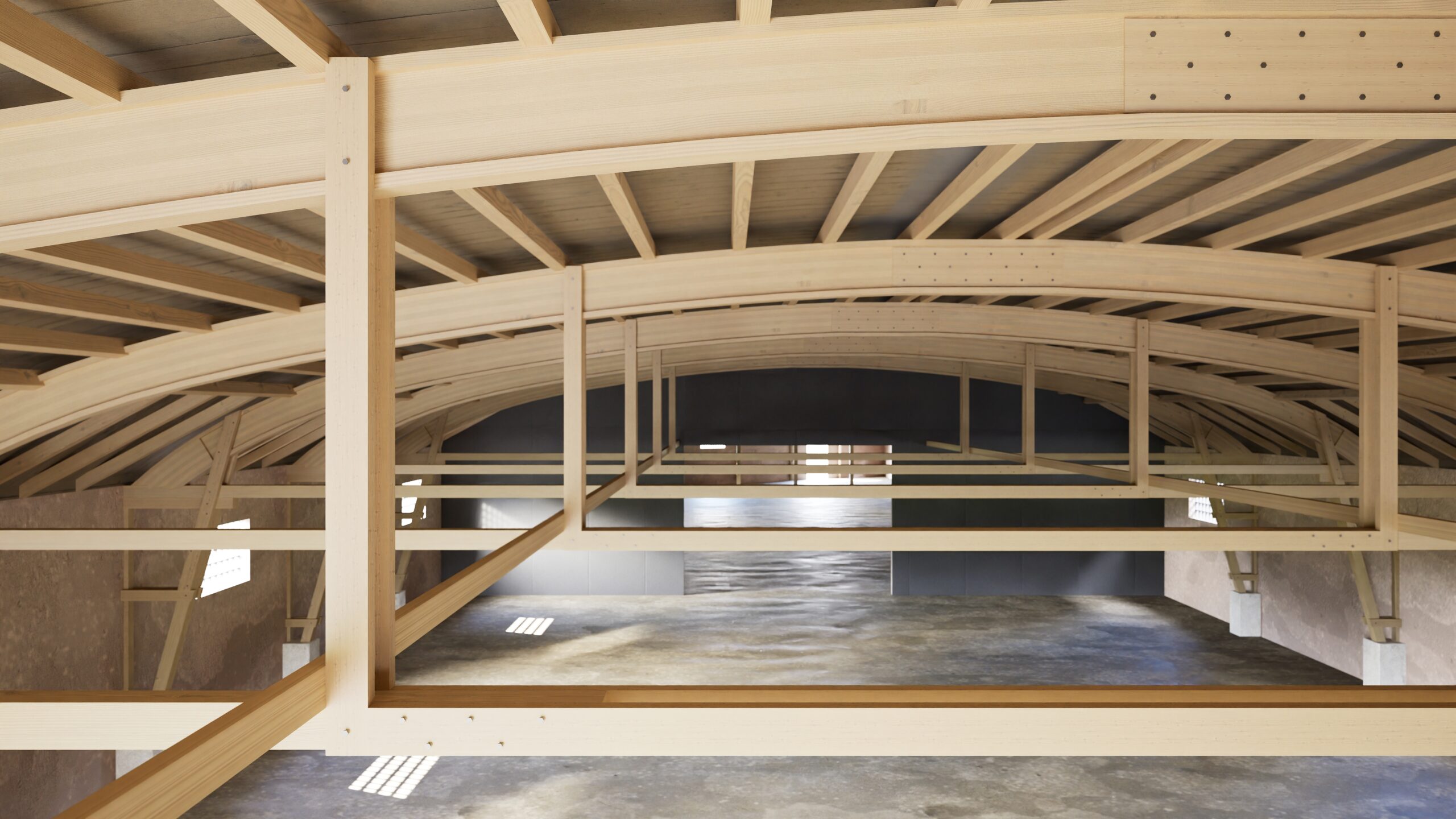
Built in the early 20th century, they are closely tied to Otto Hetzer’s patented system of glued laminated timber from 1906, which enabled large-span structures with unprecedented efficiency and flexibility. By bonding thin layers of wood into curved or parabolic beams, the method allowed for lightweight yet highly resilient load-bearing systems. The resulting I-shaped profiles became a defining element of early engineered timber structures and laid the foundation for contemporary timber construction as we know it today. The halls in Weimar stood as a rare and significant example of this innovation until the collapse of the so-called “Große Hetzerhalle” in February 2021, likely caused by a combination of snow loads and pre-existing structural damage. Our work engages with this architectural legacy, documenting and reconstructing a key moment in the history of structural design and material innovation.
Project
Built in the early 20th century, they are closely tied to Otto Hetzer’s patented system of glued laminated timber from 1906, which enabled large-span structures with unprecedented efficiency and flexibility. By bonding thin layers of wood into curved or parabolic beams, the method allowed for lightweight yet highly resilient load-bearing systems. The resulting I-shaped profiles became a defining element of early engineered timber structures and laid the foundation for contemporary timber construction as we know it today. The halls in Weimar stood as a rare and significant example of this innovation until the collapse of the so-called “Große Hetzerhalle” in February 2021, likely caused by a combination of snow loads and pre-existing structural damage. Our work engages with this architectural legacy, documenting and reconstructing a key moment in the history of structural design and material innovation.