Date
02 / 2023 - ongoing
Client
Project
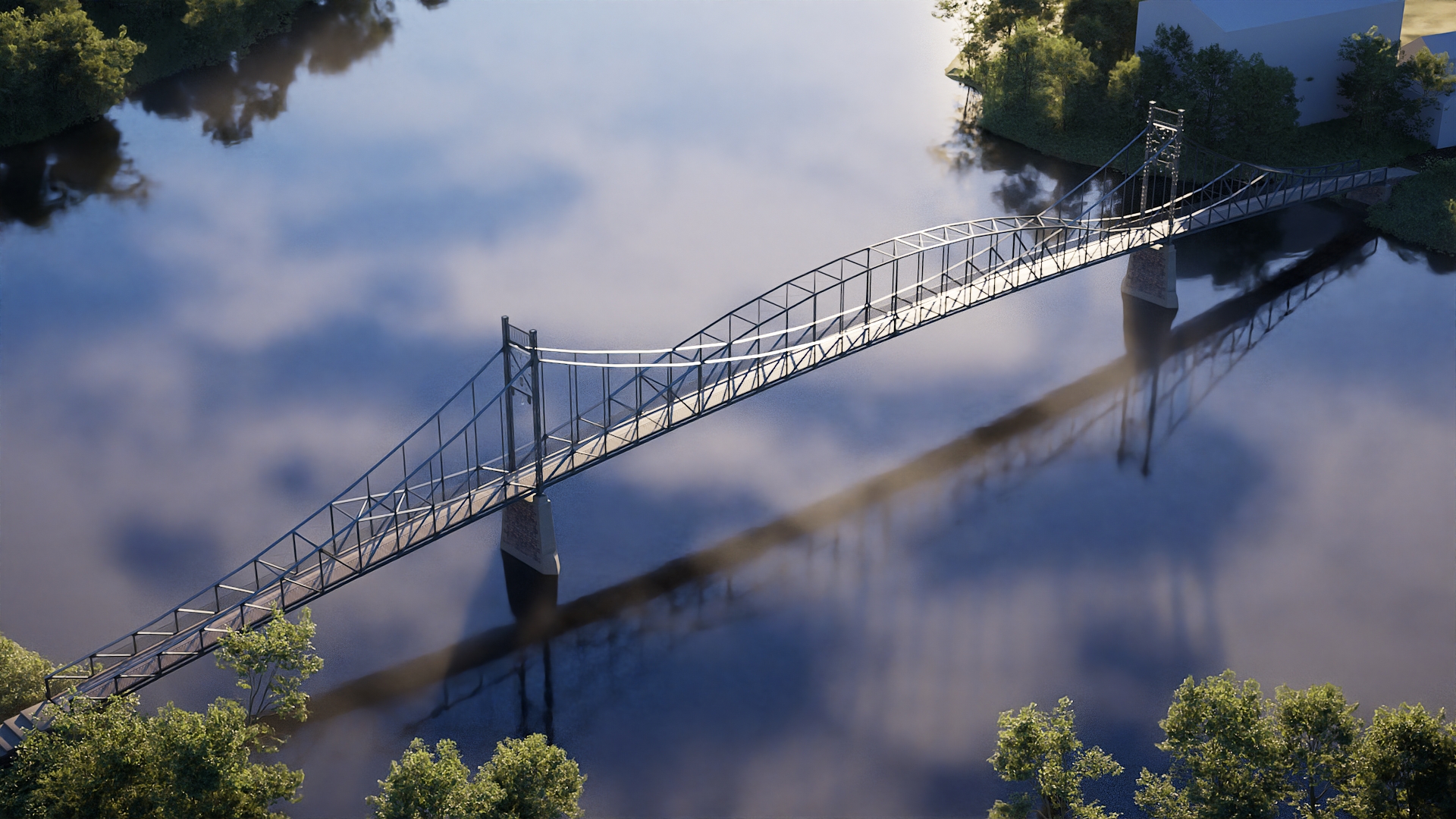
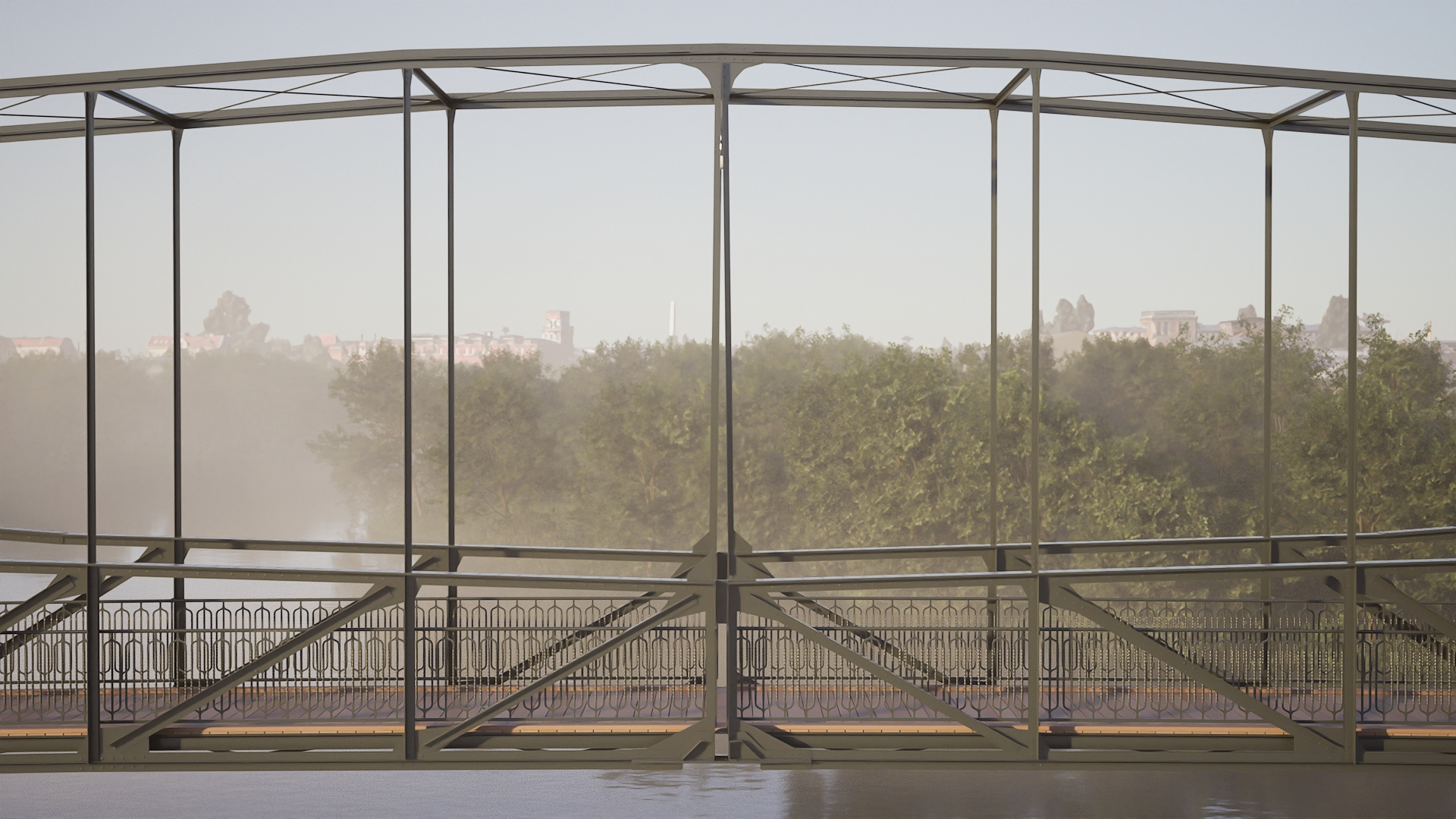
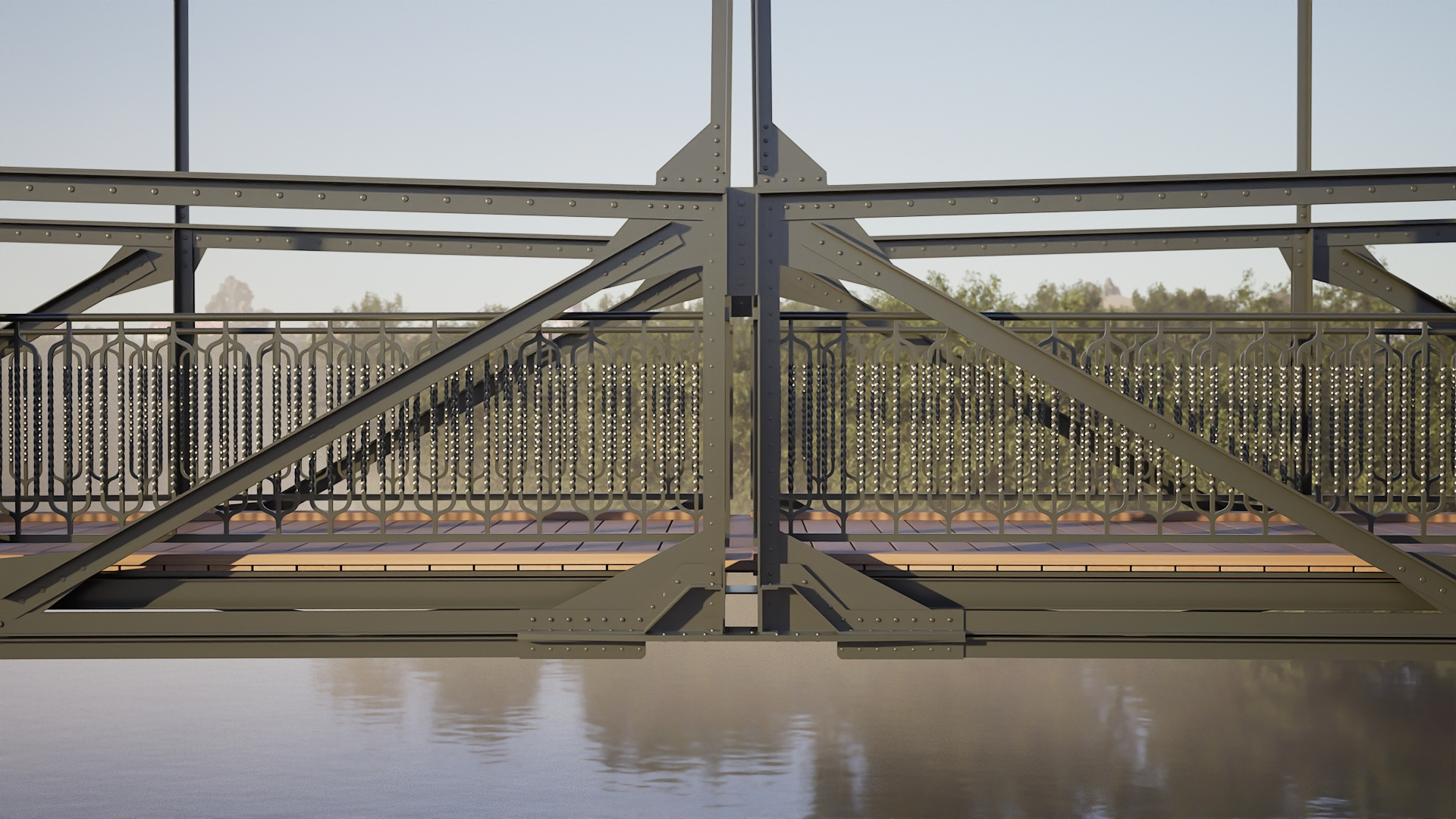
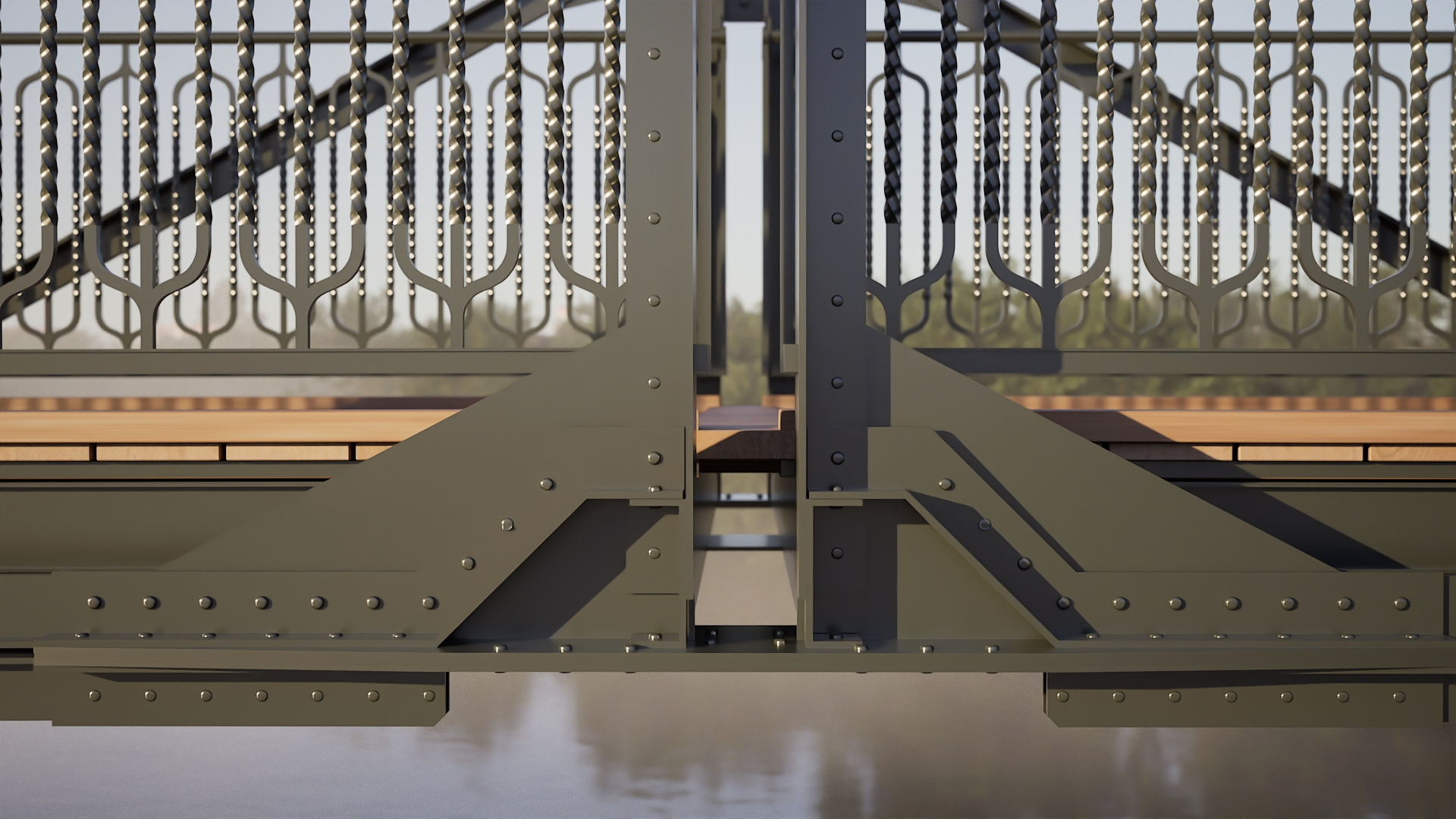
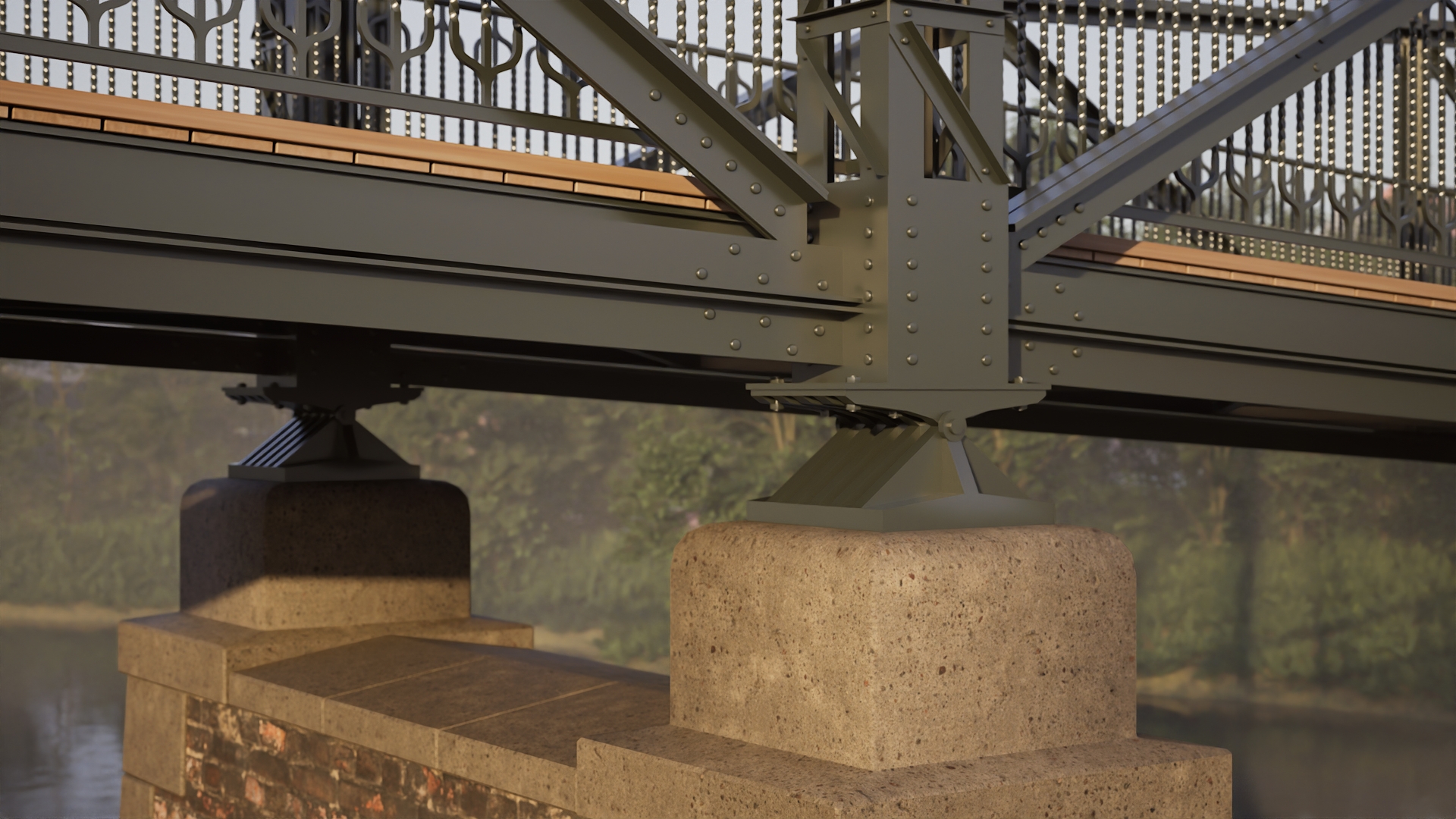
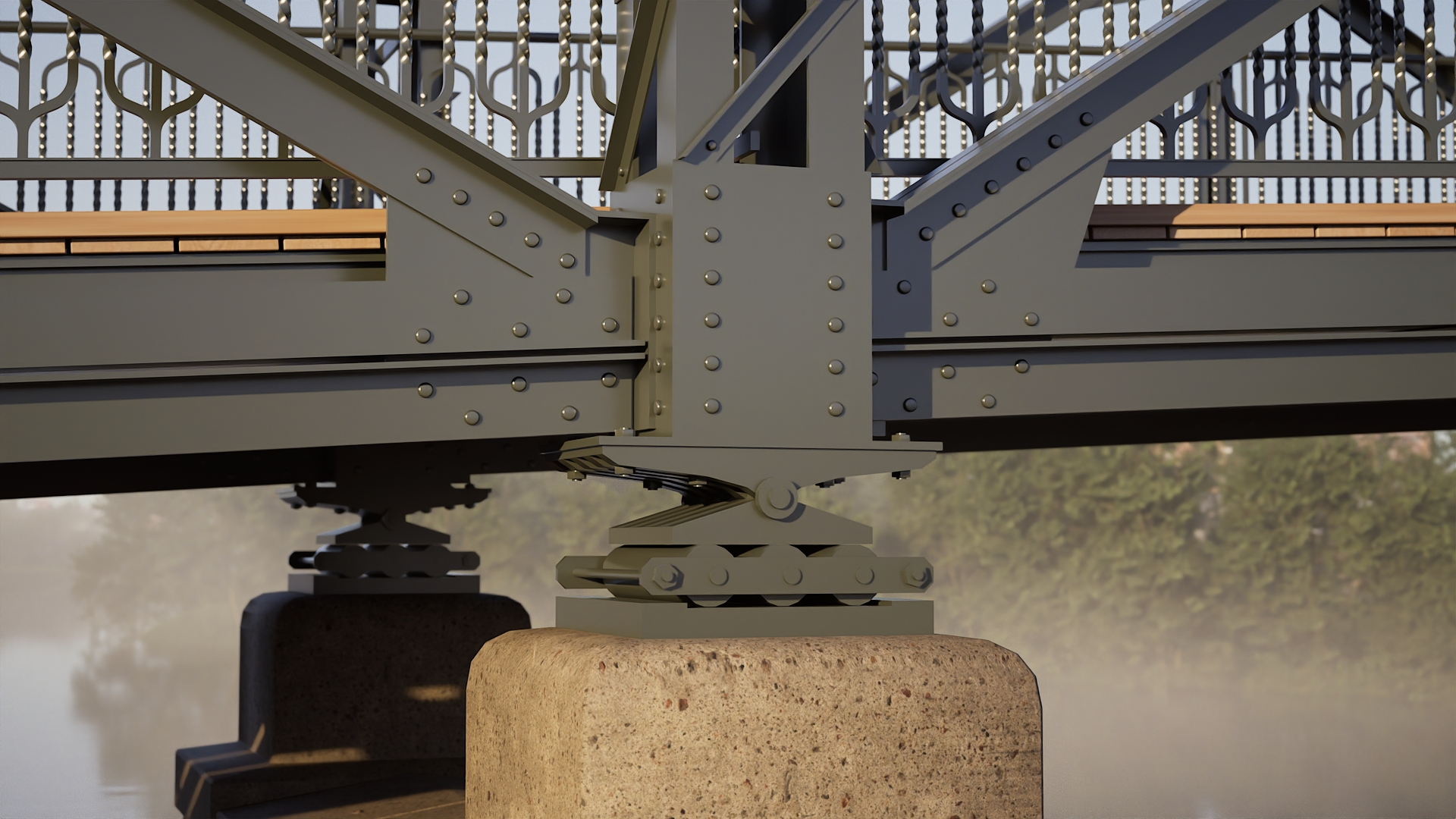
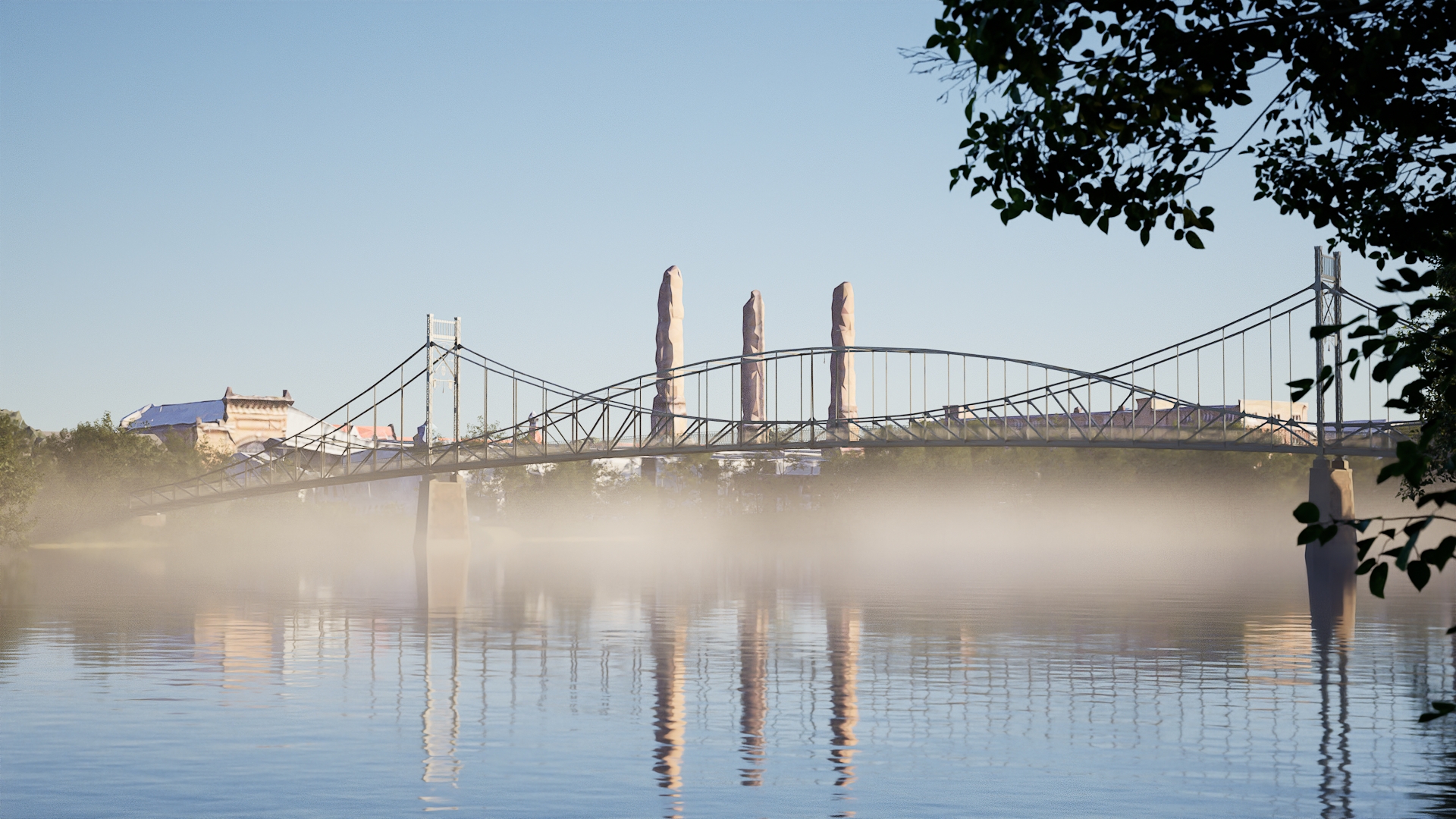
Designed as a slender pedestrian bridge, it combined aesthetic clarity with a structurally advanced system. Engineer Müller-Breslau replaced a conventional multi-span arch proposal with a lighter three-span configuration, achieving a remarkable main span of 86 meters supported by just two exceptionally slender piers. The bridge was conceived as a continuous beam with an internal hinge and an integrated arch—an early statically indeterminate system that surpassed the limitations of traditional Gerber beam constructions. Its realization was made possible by emerging methods of graphical statics, enabling the precise calculation of complex load paths. Completed within just two years, the Kaisersteg embodied the technological optimism of its time before being destroyed in April 1945, marking a dramatic end to a pioneering structure.
Project
Designed as a slender pedestrian bridge, it combined aesthetic clarity with a structurally advanced system. Engineer Müller-Breslau replaced a conventional multi-span arch proposal with a lighter three-span configuration, achieving a remarkable main span of 86 meters supported by just two exceptionally slender piers. The bridge was conceived as a continuous beam with an internal hinge and an integrated arch—an early statically indeterminate system that surpassed the limitations of traditional Gerber beam constructions. Its realization was made possible by emerging methods of graphical statics, enabling the precise calculation of complex load paths. Completed within just two years, the Kaisersteg embodied the technological optimism of its time before being destroyed in April 1945, marking a dramatic end to a pioneering structure.