Date
02 / 2023 - ongoing
Client
Project
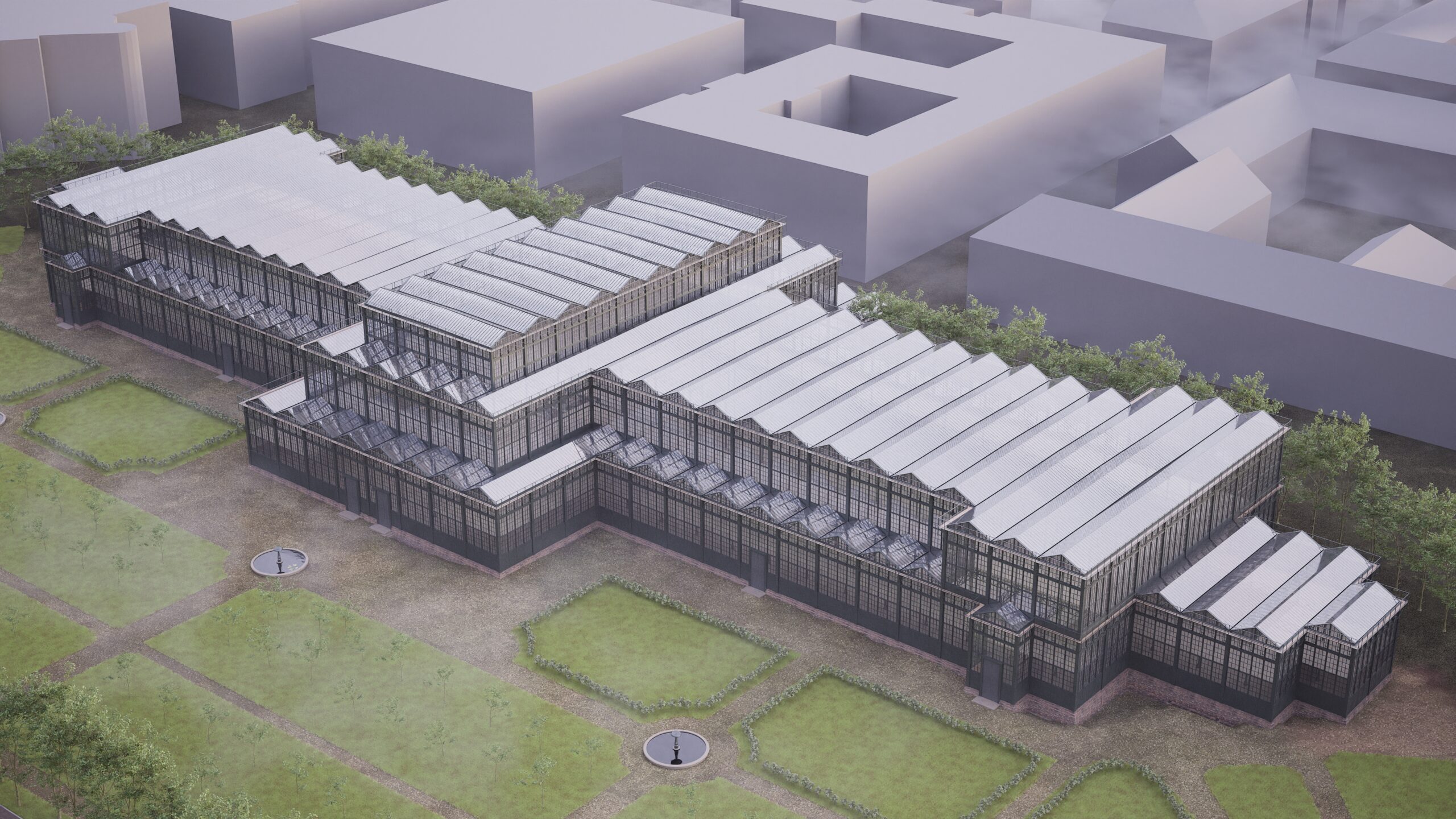
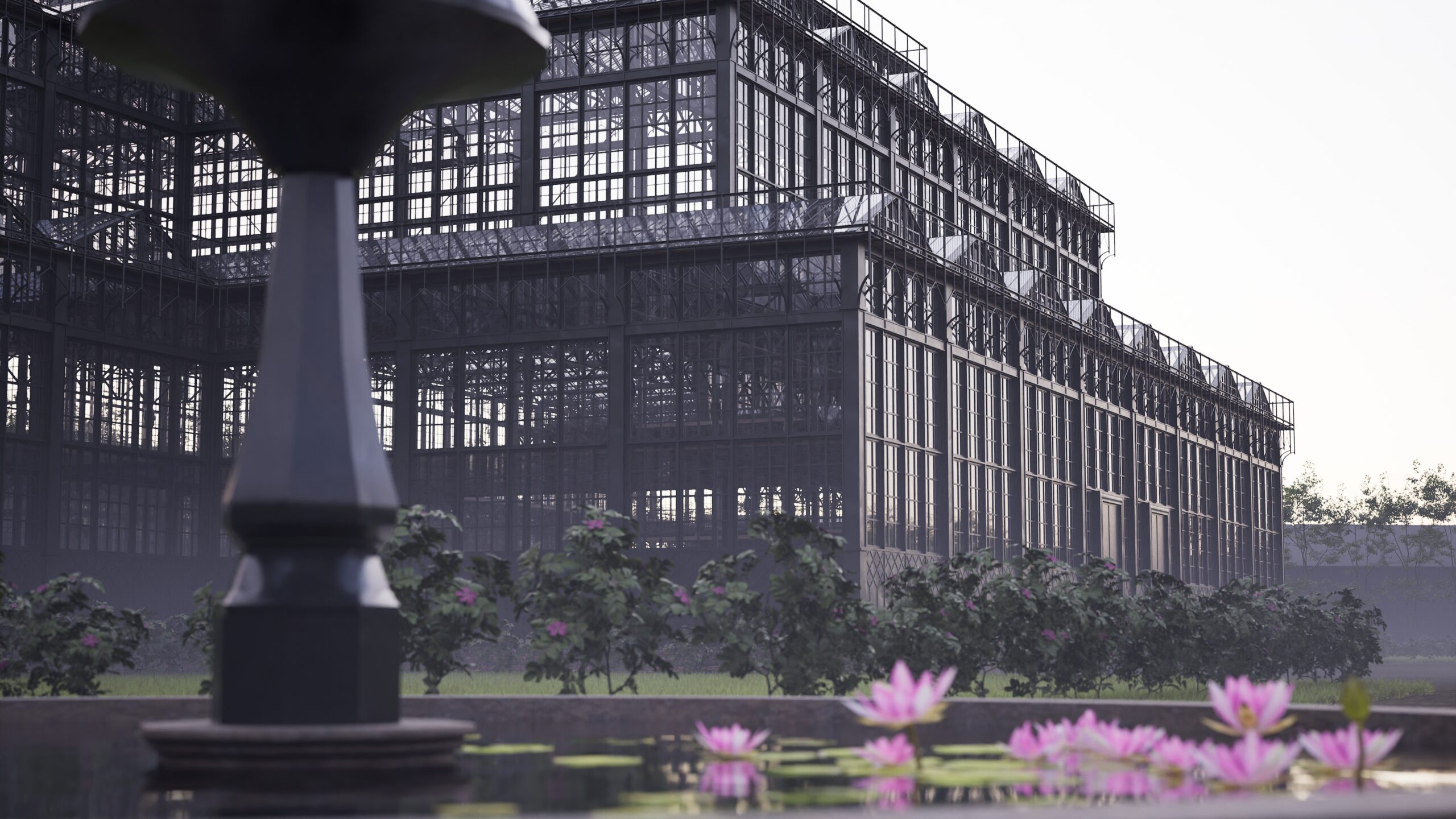
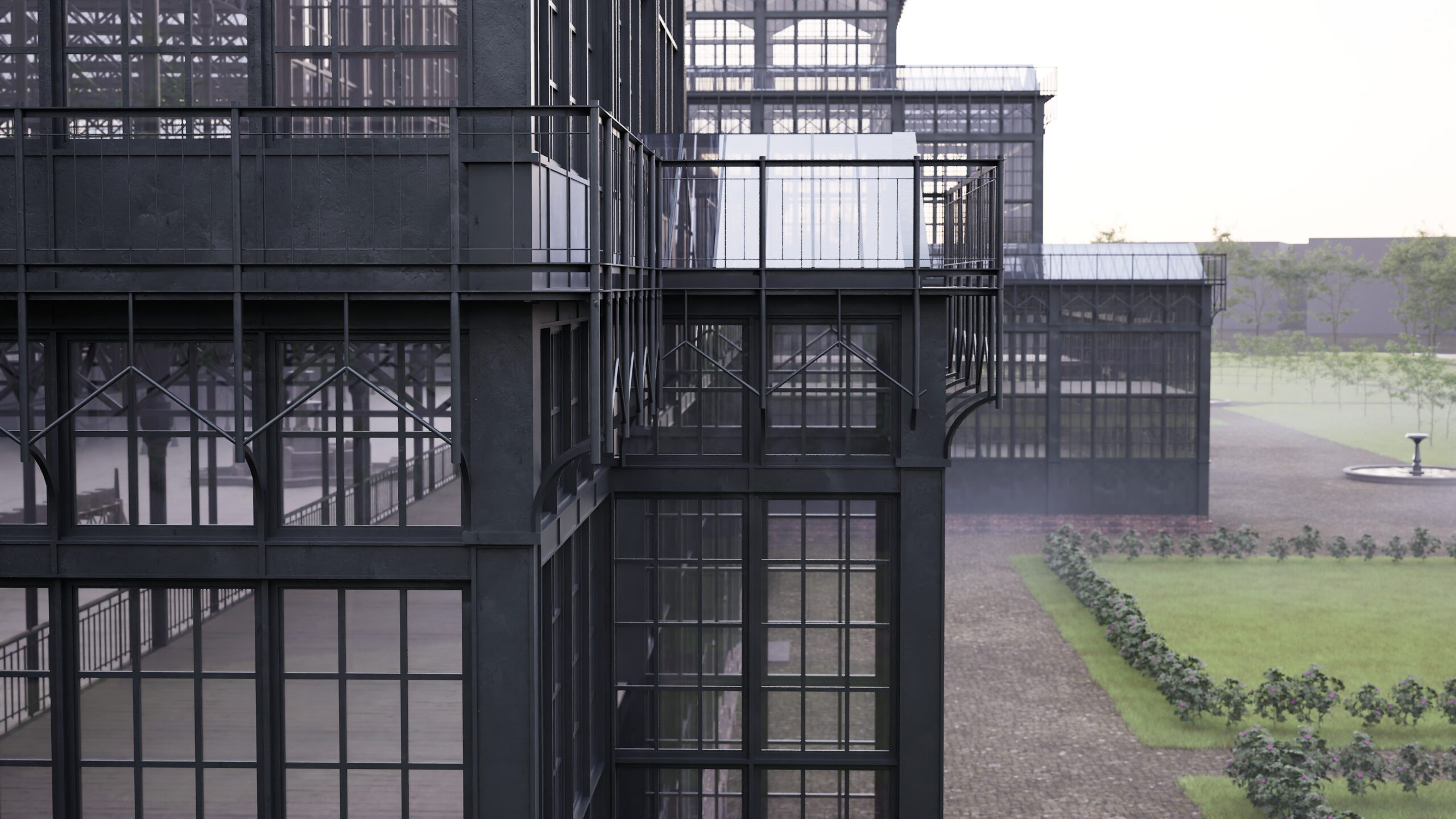
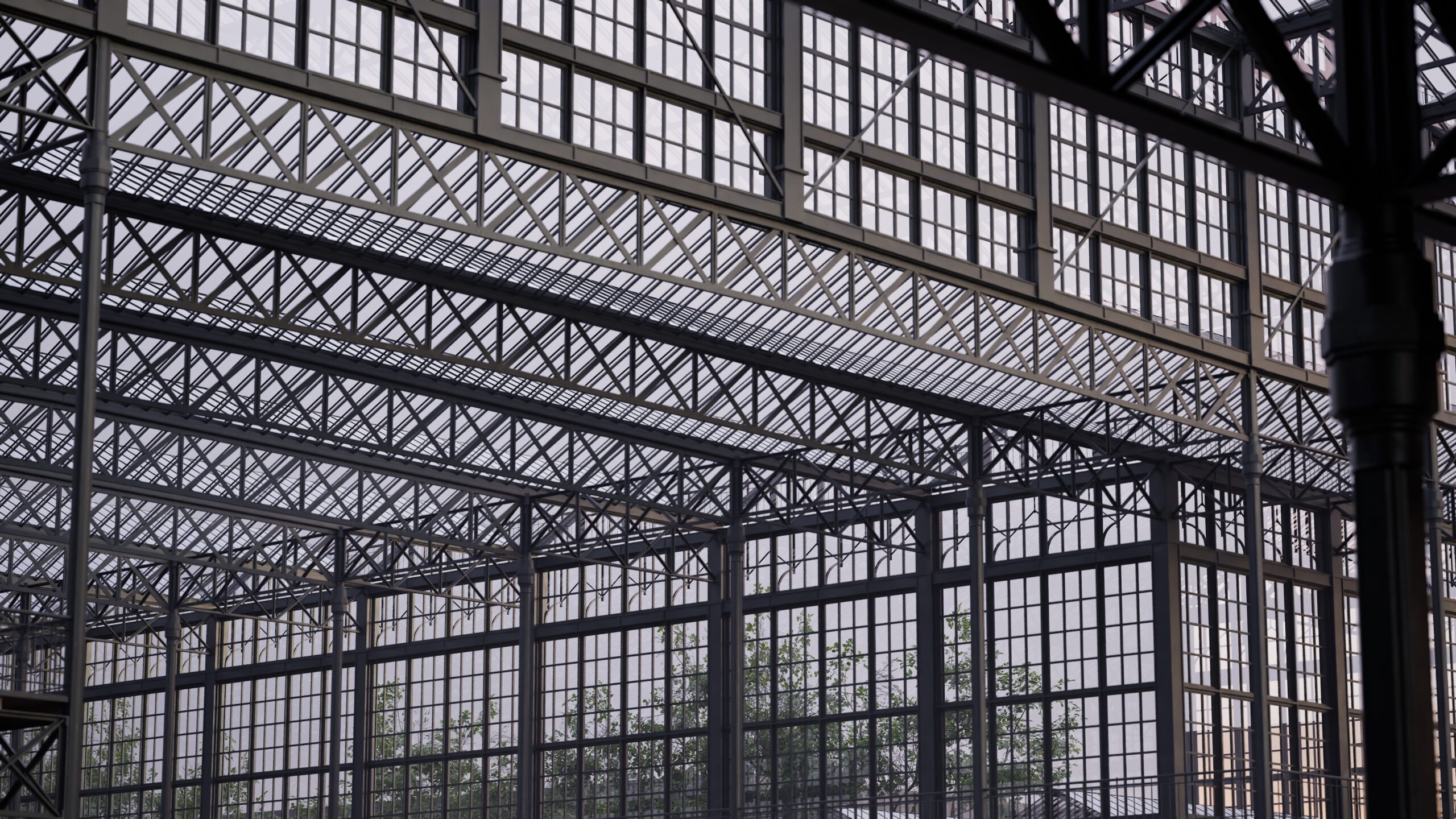
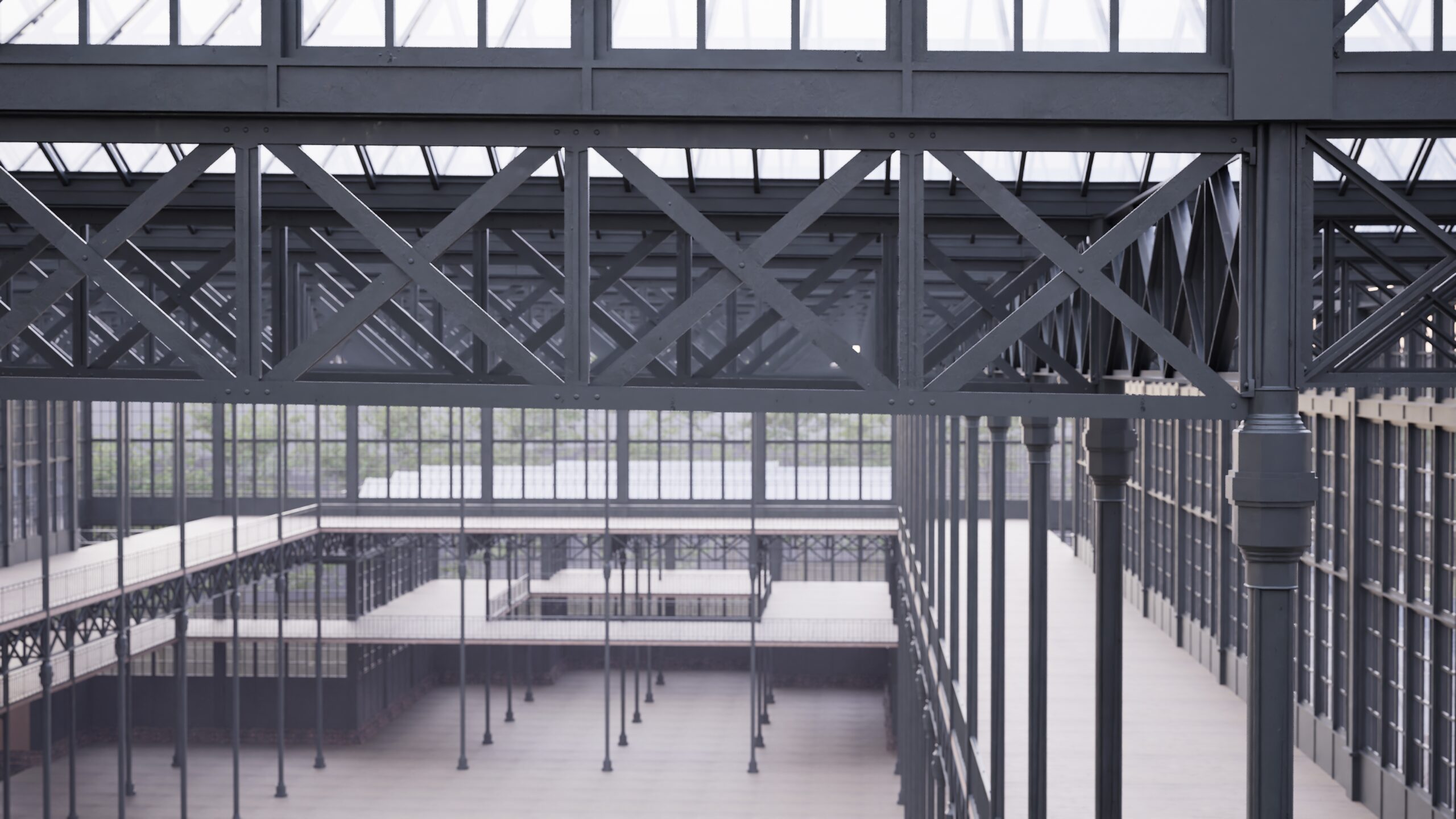
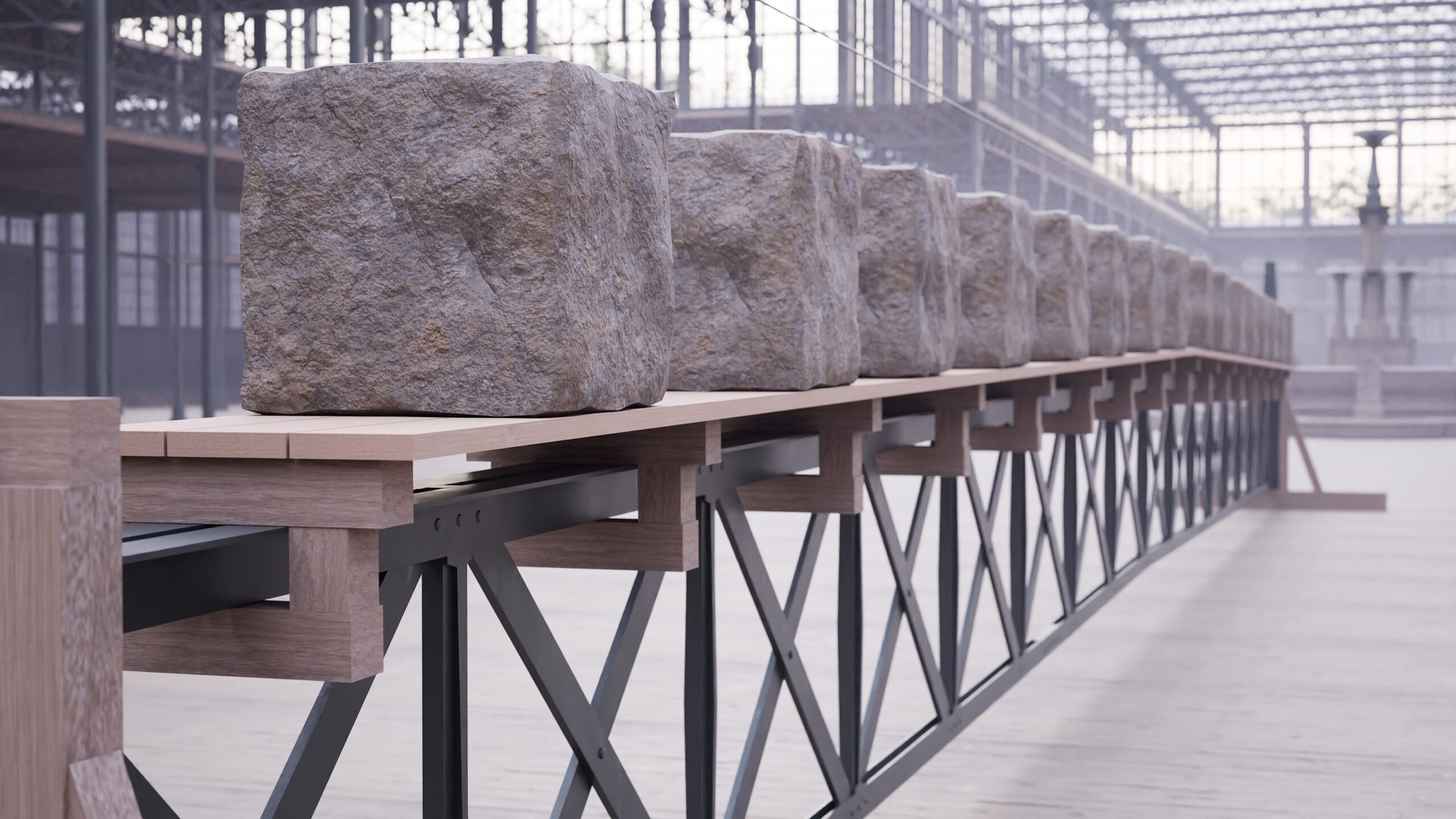
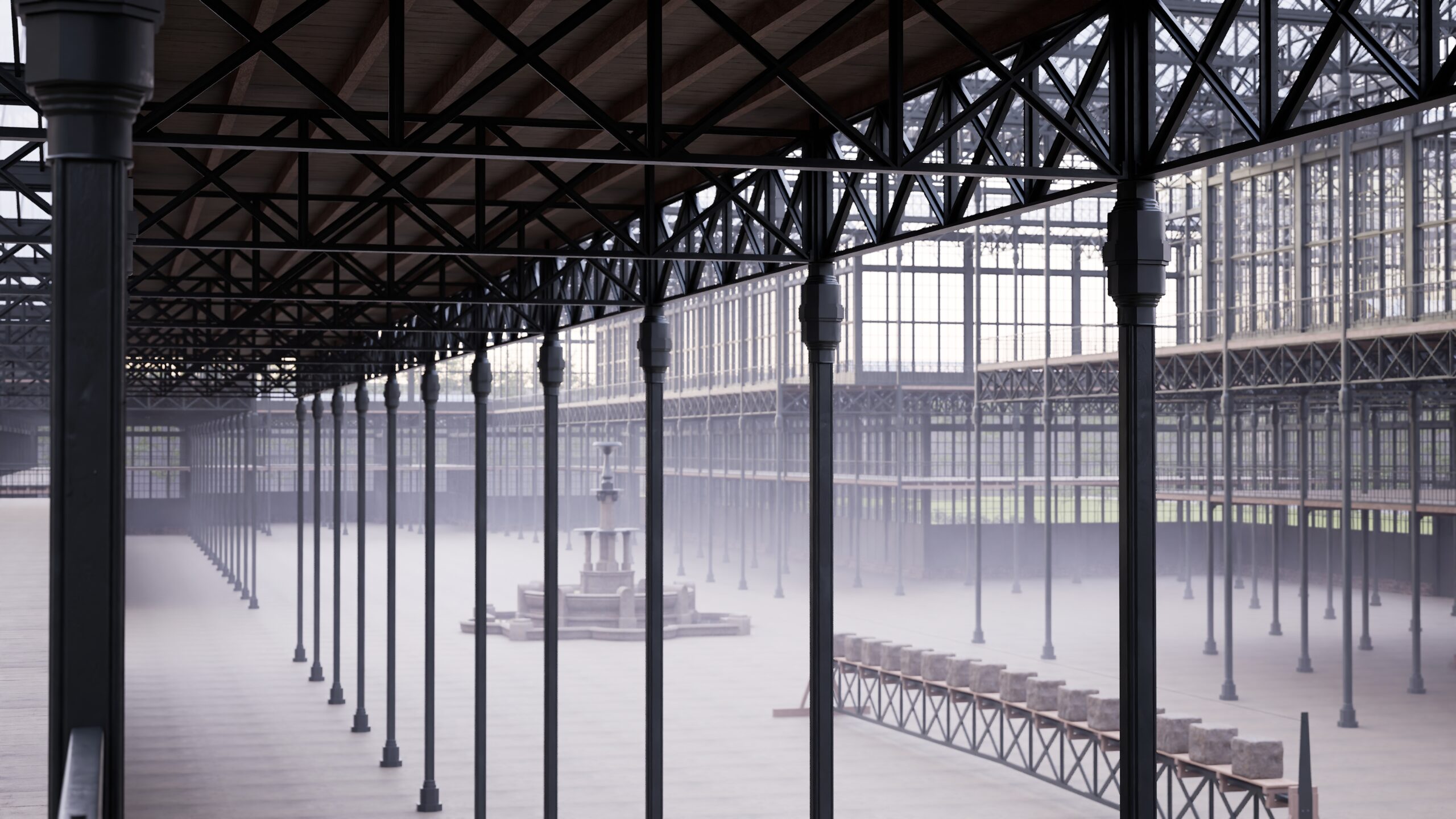
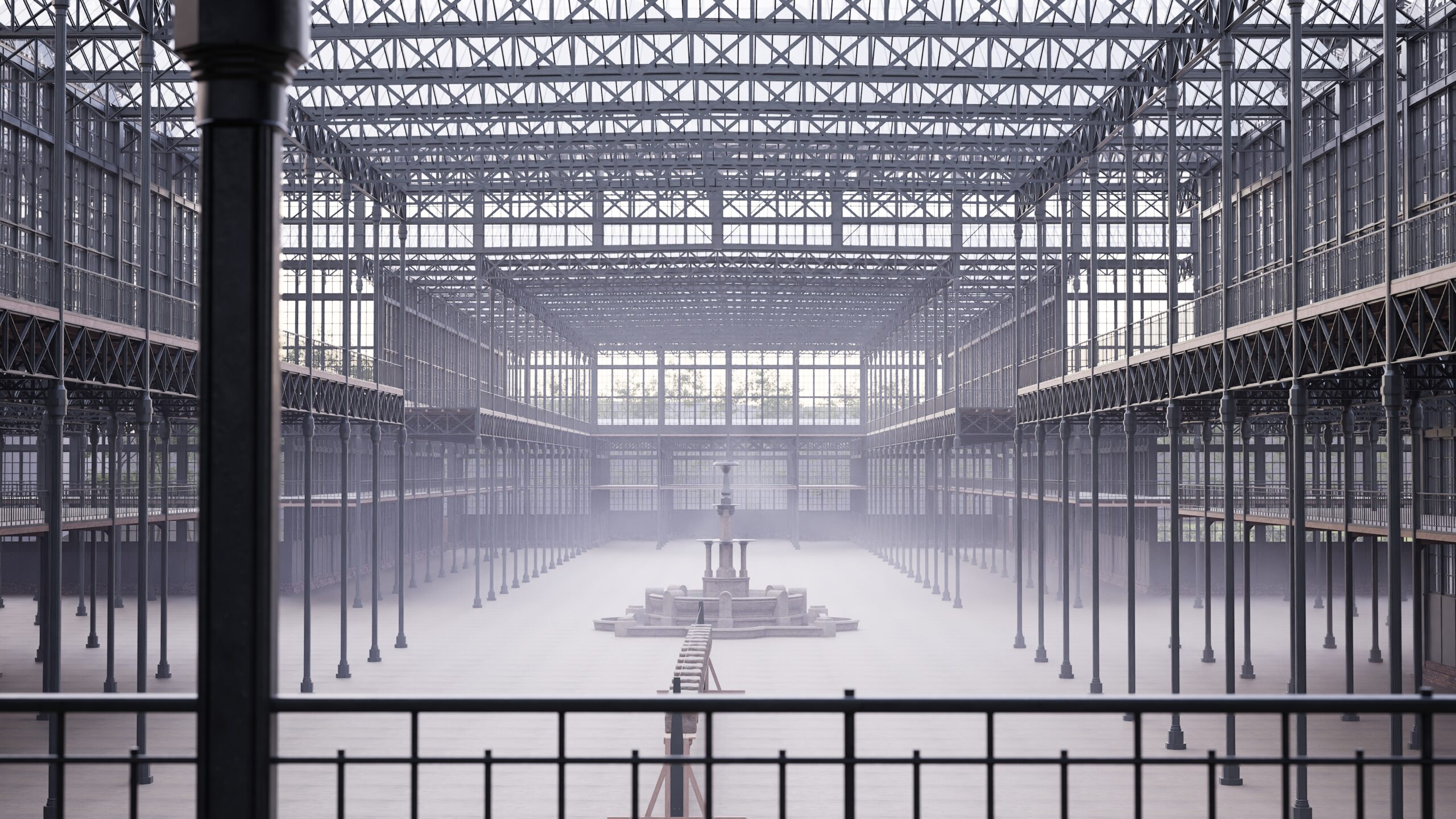
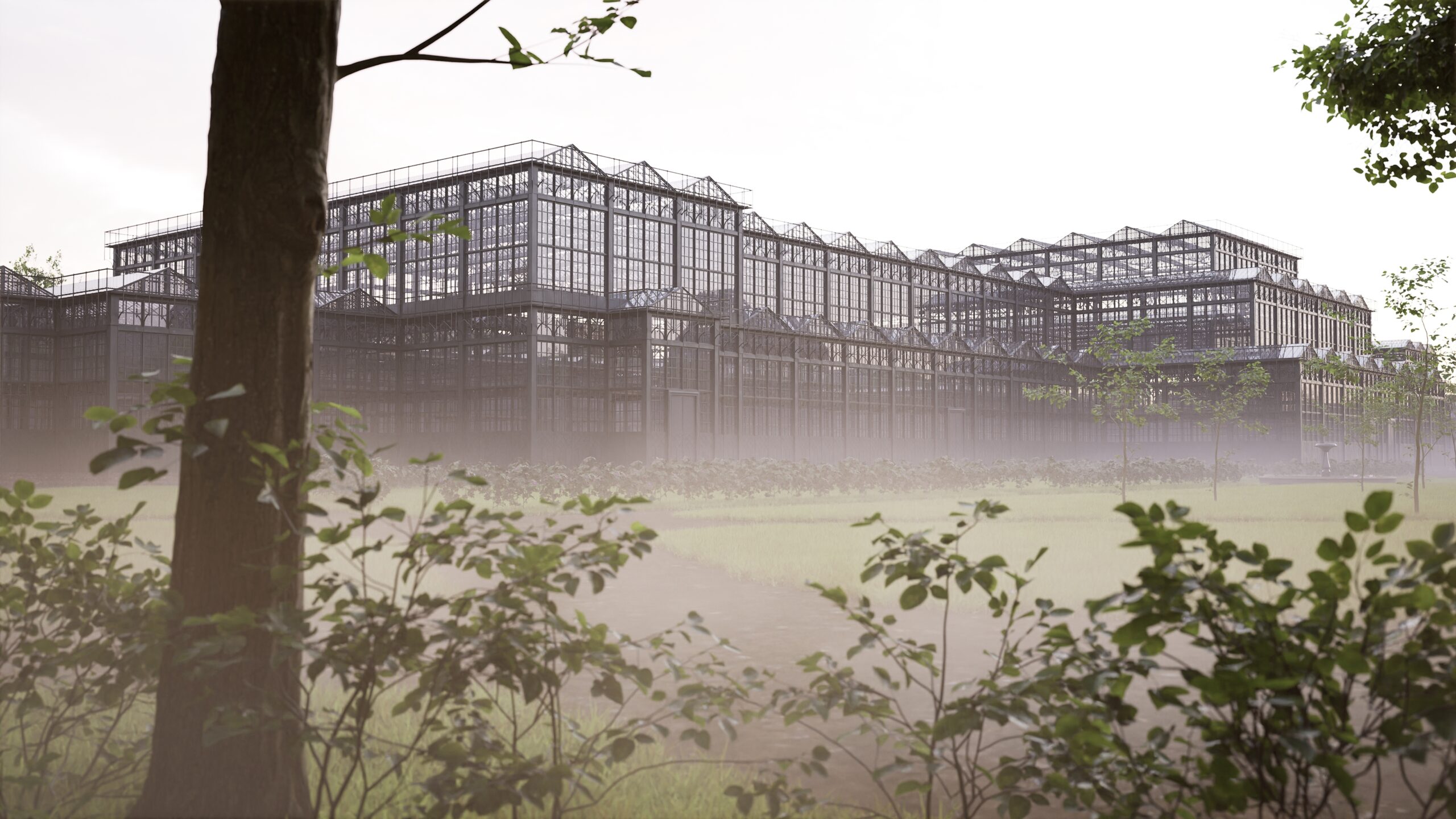
Constructed in 1854 within an exceptionally short timeframe, the building was initially intended as a temporary exhibition hall. Its innovative use of cast iron and glass, combined with a highly systematic design approach, allowed for an unprecedented level of prefabrication and modular assembly. Slender iron columns, wide-spanning trusses, and a repetitive structural grid defined a clear and rational construction logic that anticipated modern steel architecture. Erected in just two months with a workforce of over 600 at peak times, the project exemplified both technical precision and organizational efficiency. Over the following decades, the Glaspalast became a central venue for international art exhibitions before its destruction by fire in 1931 brought an end to a significant chapter in Munich’s cultural history.
Project
Constructed in 1854 within an exceptionally short timeframe, the building was initially intended as a temporary exhibition hall. Its innovative use of cast iron and glass, combined with a highly systematic design approach, allowed for an unprecedented level of prefabrication and modular assembly. Slender iron columns, wide-spanning trusses, and a repetitive structural grid defined a clear and rational construction logic that anticipated modern steel architecture. Erected in just two months with a workforce of over 600 at peak times, the project exemplified both technical precision and organizational efficiency. Over the following decades, the Glaspalast became a central venue for international art exhibitions before its destruction by fire in 1931 brought an end to a significant chapter in Munich’s cultural history.