Date
02 / 2023 - ongoing
Client
Project
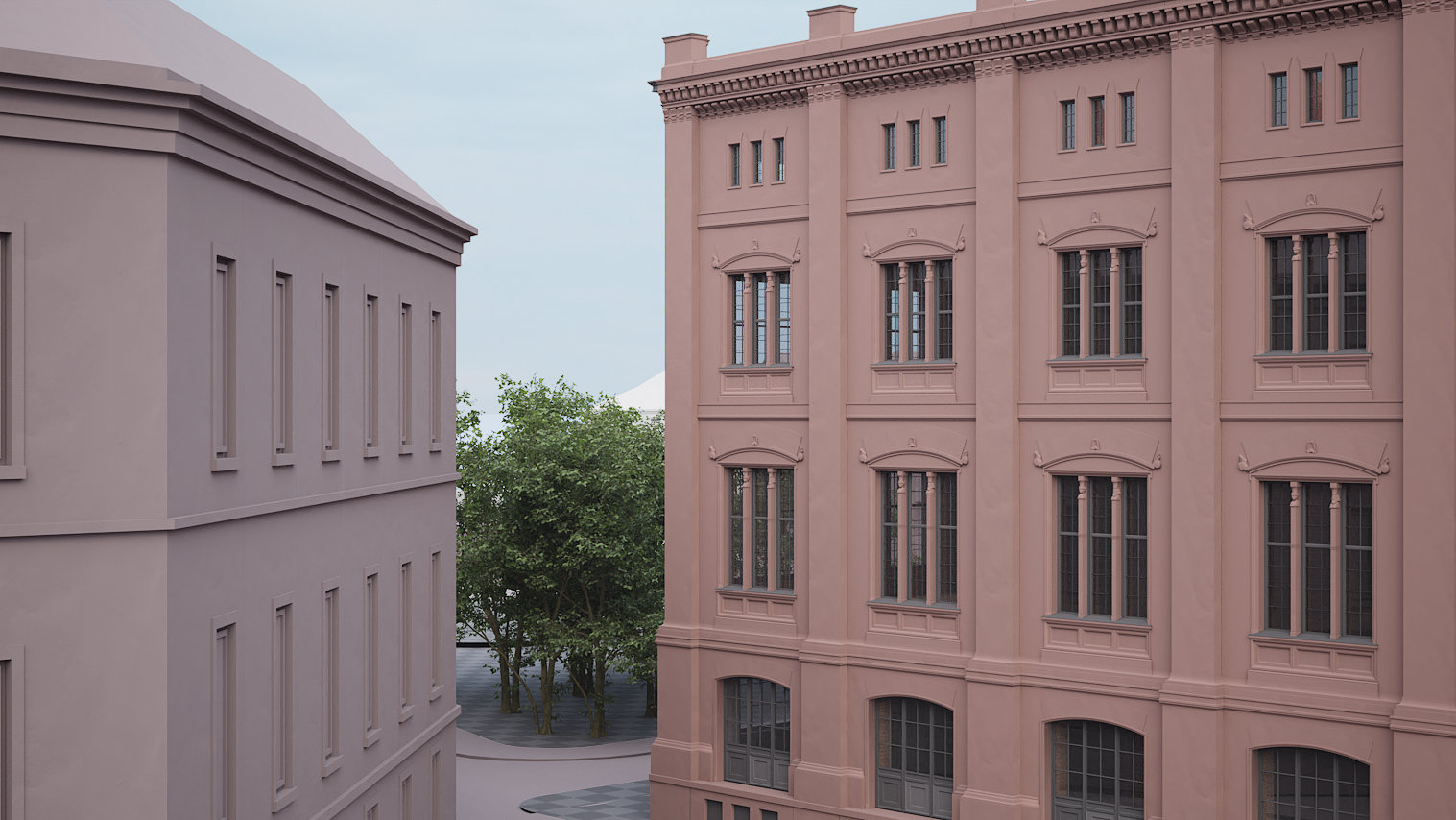
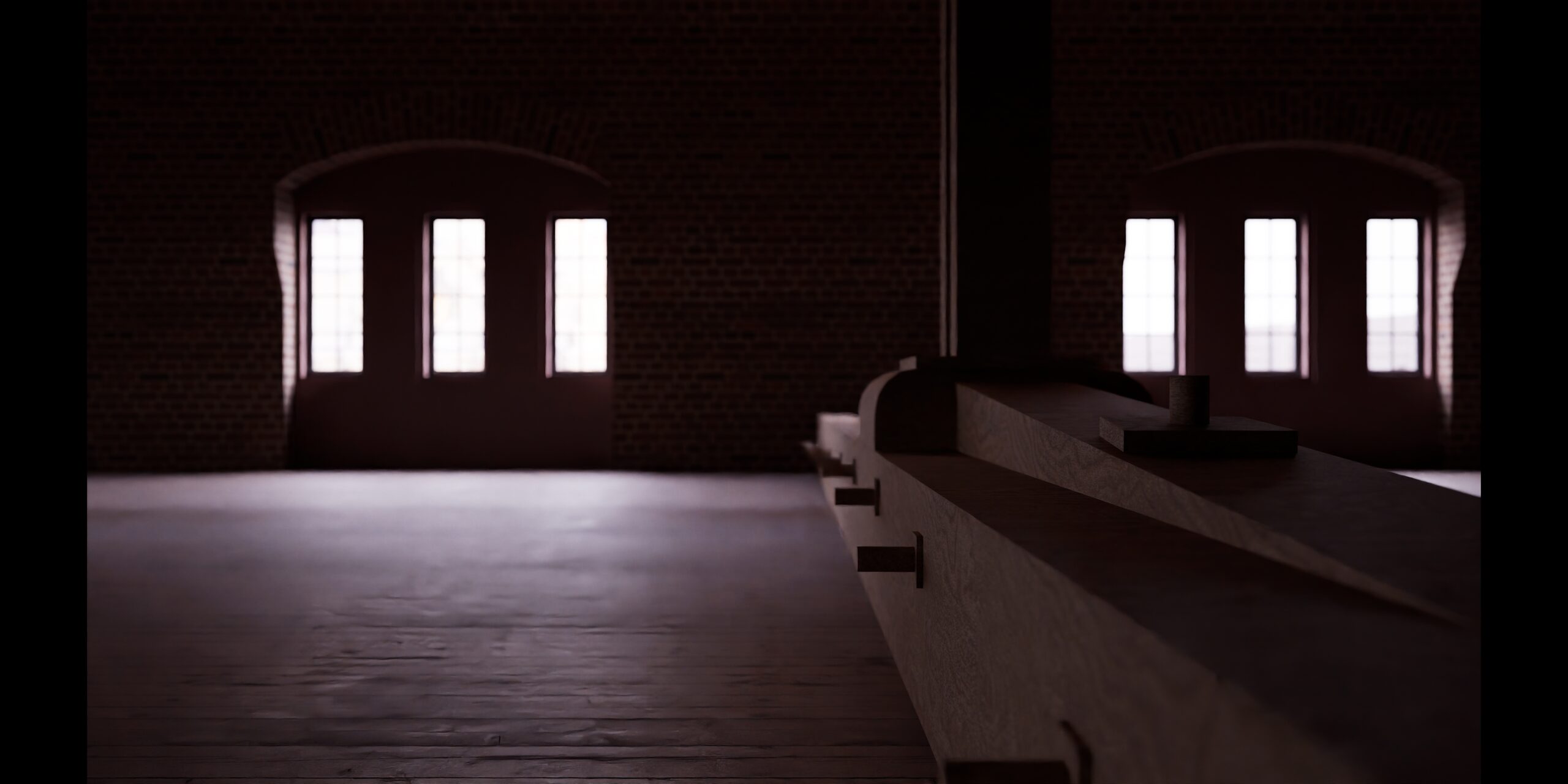
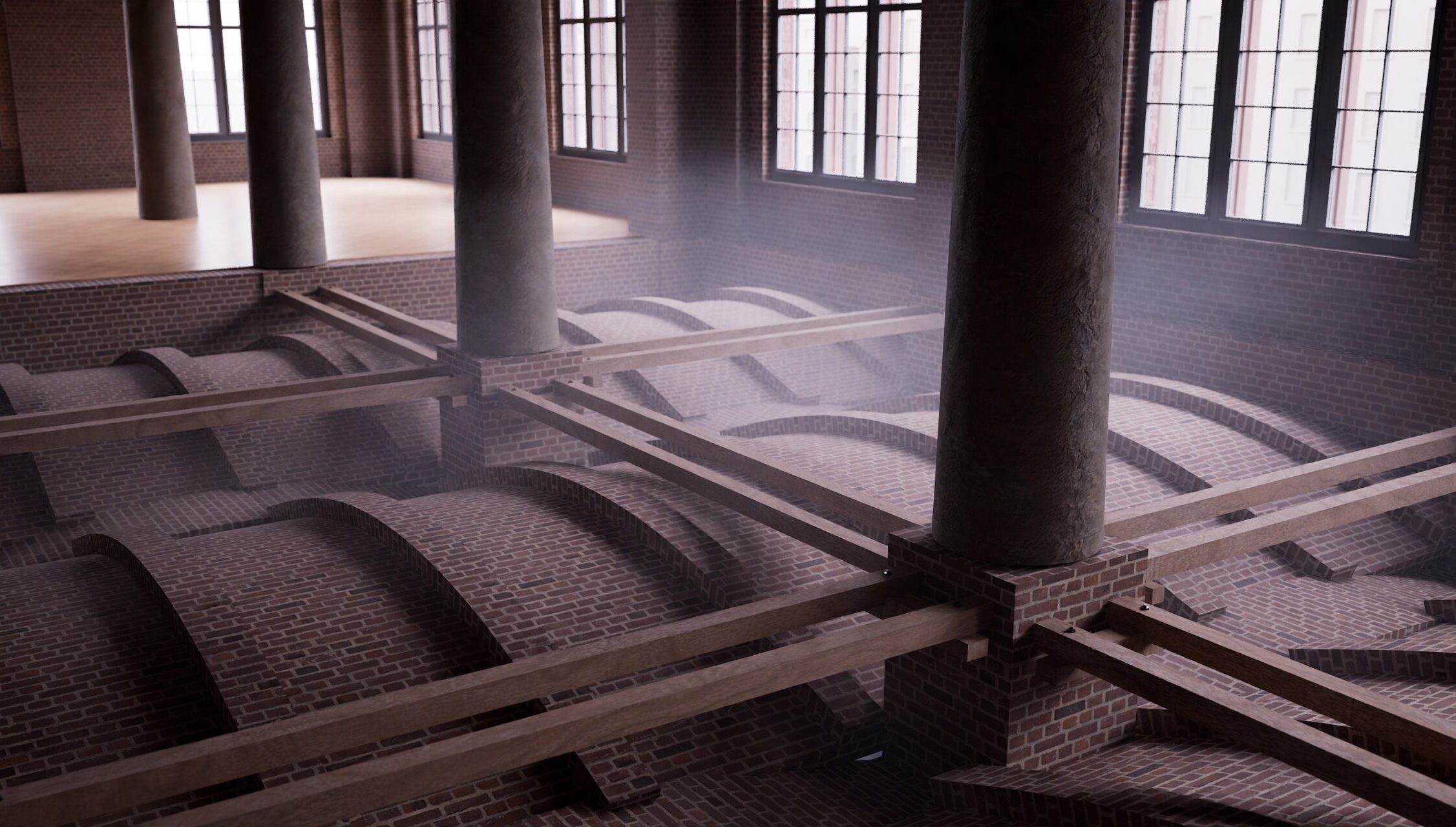
Constructed between 1832 and 1836 under the direction of Karl Friedrich Schinkel, the building introduced a rational and highly systematic approach to construction. Its regular structural grid of masonry piers and arches created a clear and flexible spatial organization, anticipating the principles of later skeletal architecture. Ribbed vaults and brick construction were combined into an efficient, economical system that set new standards for administrative buildings in Prussia. Notably, the load-bearing masonry skeleton was erected to its full height prior to the completion of the floors, allowing settlements to occur early and minimizing long-term structural damage - a remarkably forward-looking strategy for its time. Despite severe war damage, the building remained salvageable before being demolished in 1962, marking the loss of a key milestone in the evolution of industrialized architecture.
Project
Constructed between 1832 and 1836 under the direction of Karl Friedrich Schinkel, the building introduced a rational and highly systematic approach to construction. Its regular structural grid of masonry piers and arches created a clear and flexible spatial organization, anticipating the principles of later skeletal architecture. Ribbed vaults and brick construction were combined into an efficient, economical system that set new standards for administrative buildings in Prussia. Notably, the load-bearing masonry skeleton was erected to its full height prior to the completion of the floors, allowing settlements to occur early and minimizing long-term structural damage - a remarkably forward-looking strategy for its time. Despite severe war damage, the building remained salvageable before being demolished in 1962, marking the loss of a key milestone in the evolution of industrialized architecture.